Best Ways to Save and Invest in Ghana: Treasury Bills, Mutual Funds and Cooperatives
Looking to grow your money in Ghana? Learn how T-bills, mutual funds, cooperatives, fixed deposits and savings accounts work before investing.

By Edem Kwame
Published 6 min read
Saving and investing are important steps towards financial security, but choosing the right option can be challenging, especially with different investment products available in Ghana.
From government Treasury bills (T-bills) and mutual funds to credit unions and cooperative societies, Ghanaians have several options to consider when looking to grow their money, build an emergency fund or prepare for future expenses.
However, each option comes with different levels of risk, potential returns, access to funds and regulatory requirements. Understanding these differences can help individuals make informed financial decisions based on their income, goals and tolerance for risk.
Whether you are a salaried worker, a business owner, a young professional or someone looking to start investing with a small amount, knowing how these options work is a useful first step.
1. Treasury Bills (T-bills)
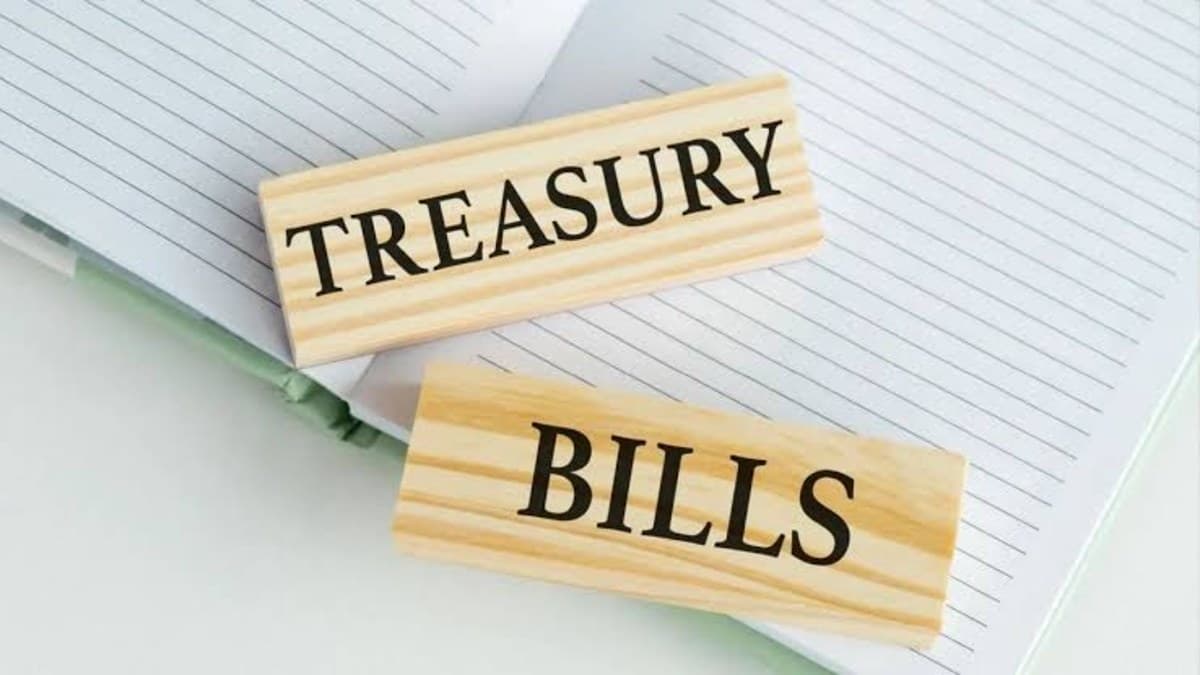
Treasury bills are short-term government securities issued by the Government of Ghana to raise funds. They are commonly used by individuals and institutions seeking a relatively short-term investment.
T-bills are generally available in different maturities, including 91-day, 182-day and 364-day bills. Investors receive returns based on the purchase price and the amount paid at maturity.
One reason T-bills attract investors is their relatively short investment period compared with many other investment products. However, returns change with market conditions, and investors should check current rates before committing their money.
What to consider before investing:
Also readGhana Cedi to Dollar Rate: BoG Rate for September 10
Check the latest rates from the Bank of Ghana or an authorised financial institution.
Understand the maturity date and how early access to your money would work.
Compare the net return after applicable fees and taxes.
Avoid assuming that past rates will remain available.
T-bills may suit people who can set aside money for a defined period and want to understand their expected return before investing.
2. Mutual Funds
Mutual funds pool money from several investors and invest it according to a stated strategy. Depending on the fund, investments may include government securities, corporate bonds, shares or a combination of assets.
In Ghana, mutual funds are offered under different investment strategies, including money market, fixed-income, balanced and equity funds.
Money market funds generally focus on short-term, lower-risk instruments, while equity funds invest in shares and may experience greater price fluctuations. Balanced funds combine different asset classes.
What to consider before investing:
Identify the fund's investment strategy and risk level.
Review its historical performance without treating past returns as a guarantee of future results.
Check management fees, withdrawal conditions and other charges.
Confirm that the fund and its operator are appropriately licensed by the Securities and Exchange Commission Ghana.
Mutual funds may be suitable for people who want professionally managed investments, although the level of risk depends on the type of fund selected.
3. Credit Unions and Cooperatives
Credit unions and cooperative societies allow members to save collectively and, depending on the institution, access loans or other financial services.
Some members use these arrangements to build regular saving habits, support business activities or meet financial goals. However, the terms and protections differ between institutions.
Before joining a cooperative or credit union, prospective members should understand how contributions are managed, when withdrawals are permitted and what happens if the institution experiences financial difficulties.
Also readBank of Ghana lists 20 unlicensed loan apps – see full list
What to check before joining:
Confirm the organisation's registration and the relevant regulatory or supervisory arrangements.
Request written details of membership fees, contributions and withdrawal rules.
Understand whether advertised returns are guaranteed, variable or dependent on the organisation's performance.
Review audited financial statements where available.
Be cautious of schemes promising unusually high returns with little or no risk.
A cooperative arrangement can encourage disciplined saving, but membership alone does not guarantee that funds are safe or that returns will be paid.
4. Fixed Deposits
Fixed deposits allow customers to place money with a bank or other eligible deposit-taking institution for an agreed period at a stated interest rate or under specified terms.
They can be useful for people who have money they do not expect to need immediately. However, early withdrawals may attract penalties or may not be permitted under the product's conditions.
Before opening a fixed deposit, compare the offered rate, investment period, fees, taxes and the institution's applicable deposit-protection arrangements.
5. A Regular Savings Account
A savings account can help people build an emergency fund and keep money accessible for everyday needs.
Although a traditional savings account may offer lower returns than some investment products, accessibility is an important advantage. It can help cover unexpected expenses without requiring the sale or early withdrawal of a longer-term investment.
For many people, establishing a consistent saving habit is more important at the beginning than chasing the highest advertised return.
How to Choose the Right Saving or Investment Option
The most appropriate option depends on when you will need the money, how much risk you can tolerate and whether you already have emergency savings.
Also readGhana Cedi to Dollar Rate: BoG Rate for September 9
Option | Main purpose | Key consideration |
|---|---|---|
Treasury bills | Short-term investment | Maturity date and current yield |
Money market mutual funds | Professionally managed short-term investments | Fund fees, liquidity and investment risk |
Equity or balanced mutual funds | Medium- to long-term growth | Market fluctuations and investment horizon |
Credit unions and cooperatives | Member savings and financial services | Governance, withdrawal rules and financial strength |
Fixed deposits | Saving for a defined period | Interest rate and early-withdrawal conditions |
Savings accounts | Accessible savings and emergencies | Interest earned and account charges |
Practical Tips for Saving and Investing in Ghana
Start with a budget. Track your income and expenses to identify how much you can consistently save without neglecting essential needs.
Build an emergency fund. Aim to set aside money for unexpected expenses before locking all your savings into investments with restricted access.
Compare net returns. Consider fees, taxes, inflation and the time your money will remain invested rather than focusing only on the advertised rate.
Diversify where appropriate. Depending on your financial circumstances, spreading money across different suitable products may reduce reliance on a single investment. Diversification does not eliminate risk.
Verify providers. Check the relevant regulator's records before transferring money to an investment company, fund manager, cooperative or financial institution.
Be wary of unrealistic promises. Guaranteed high returns, pressure to recruit new members and unclear explanations of how profits are generated are warning signs that deserve careful scrutiny.
Final Thoughts
Ghanaians looking to save and invest have several options, including Treasury bills, mutual funds, credit unions, cooperatives, fixed deposits and savings accounts.
The right choice depends on individual financial goals, access to cash, investment period and tolerance for risk. Before committing funds, compare the terms, understand the risks and verify that the provider is properly authorised.
Most importantly, saving and investing should be approached as a long-term financial habit rather than a quick way to make money.
Edem Kwame
Chief Editor
Edem Kwame is a staff journalist at GH News Media, where he covers news, sports, politics and current affairs with a sharp focus on Ghanaian and African football.
More from Edem Kwame