Beyond the strike: How much does Ghana value its teachers?
Ghana’s latest teachers’ strike has renewed debate about salaries, allowances and working conditions, as pupils, parents and educators face the consequences.

By Edem Kwame
Published 4 min read
By Agnes Fynn
Go to school, graduate, get a job, and become a responsible member of society."
These words are said to children when they are young, but what happens when one becomes underappreciated and underpaid in their future job?
In July 2021, former President Nana Addo Dankwa Akufo-Addo drew criticism after suggesting that people should not enter teaching expecting to become millionaires. The remarks prompted calls from some teachers and political groups for him to apologize.
Five years on, and teachers are still complaining about working conditions and salaries. Is this ever going to stop?
When are teachers going to be appreciated and compensated for their hard work?
The latest teachers’ strike began on September 25, 2026, and ended on October 9, 2026. The teacher unions demanded better conditions of service, including asking for a 20 percent Deprived Area Allowance, which they said has been contained in their Collective Agreement since 2016.
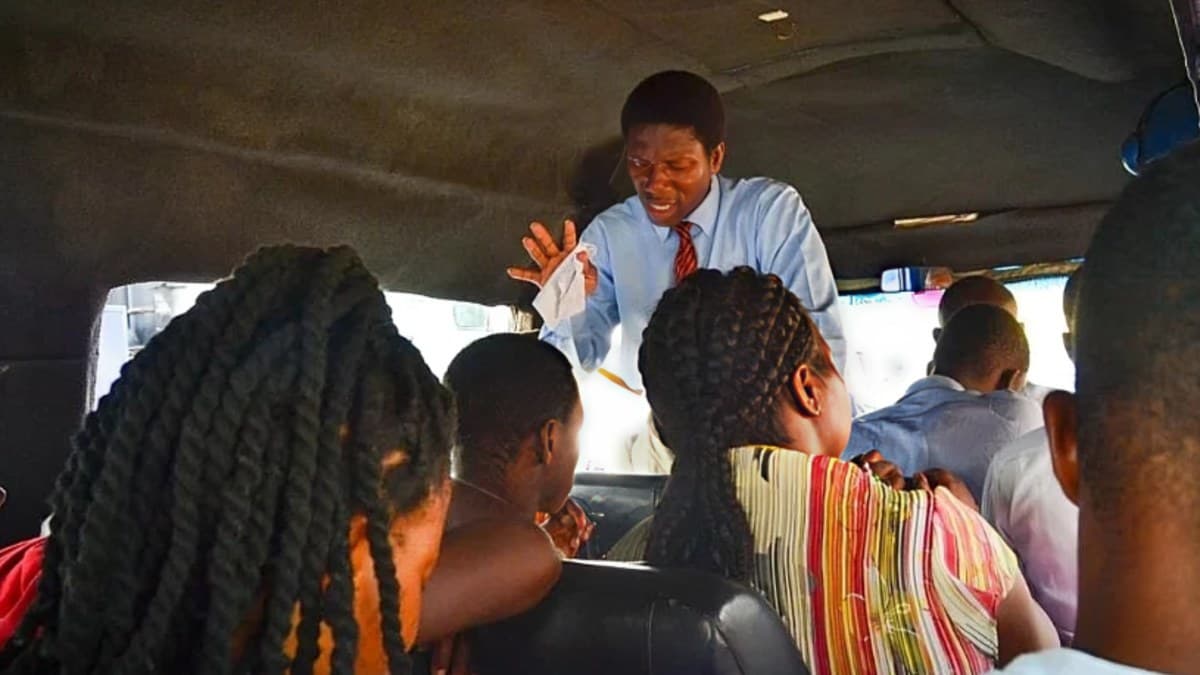
Also read'When the car starts, put down the Bible' – The ban on ‘trotro’ sermons
When concerns over salaries, allowances, and conditions of service remain unresolved, industrial action risks becoming a repeated means of drawing attention to them. Speaking on behalf of the teacher unions in the Upper West Region, GNAT Regional Secretary Ransford Owusu-Adjei expressed the unions’ reluctance to rely on further assurances.
“We are not prepared to accept another round of promises that payments are being processed,” he said.
Before someone becomes a lawyer, a teacher instills knowledge. Behind every doctor, there’s a teacher, and behind every individual working at the Fair Wages and Salaries Commission, there is a teacher. And before any president held up the sword to be sworn into office, there were teachers.
Yet, teachers remain largely underappreciated.
It can be argued that teachers are only doing their jobs by educating all the professionals mentioned, and that is entirely true. The problem is, why are they underappreciated and given cause to engage in strikes time and again?
This is not the first teachers’ strike, and sadly, it may not be the last.
How are the children affected?
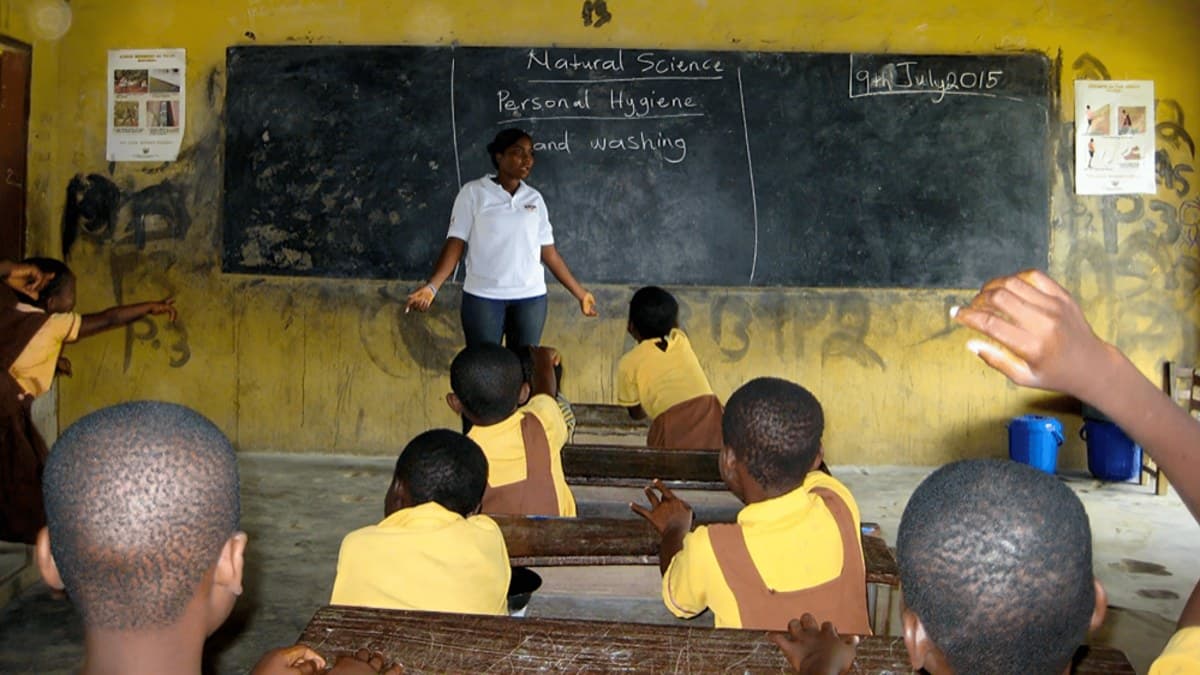
While the industrial action draws attention to teachers’ working conditions, its consequences extend to the pupils whose education depends on regular classroom interaction. Education Policy Think Tank Africa Education Watch (Eduwatch), in its comments on the just-ended strike, highlighted the educational cost of the disruption.
Also readOUR TIME: WHEN THE PAST MEETS THE PRESENT
“Every additional day of disruption reduces instructional time and compromises children’s right to education,” the organization said in a press release.
Implications on Teachers
When learners forget what they have learned, teachers often get pressured to ensure that learners get back on track. This retards progress in the classroom, which can lead to an incomplete curriculum at the end of the semester or school year.
Richard Ansong, a teacher, spoke on his frustration with how teachers are treated, which almost made him quit teaching.
“At a point in time I had that strong edge to leave the profession because of how teachers were treated. But upon some consultation and opinions from some senior mentors, I had to rescind my decision," he said.
Richard added that he believes teachers are not appreciated and respected enough for what they do.
“In Ghana, teachers are not adequately appreciated and respected for the work they do, because teaching is just acknowledged only in the classrooms and local communities. Teachers are generally undervalued, underpaid, and poorly supported."
Implications on Parents
Also readTHE TROTRO PHARMACIST: SELF-MEDICATION CRISIS IN GHANA
Imagine watching your child stay home as their counterpart in a private school has access to education.
That is the reality of Ghanaian parents whenever teachers go on strike.
The National Council of Parent-Teacher Associations (NC-PTAs), Ghana, also weighed in on the dispute, declaring its support for the striking teacher unions and urging the government to address their outstanding concerns. In a press release dated September 30, 2026, the Council described the teachers’ demands as legitimate under the theme, "No nation can rise above the welfare quality of its teachers."
“The NC-PTAs—Ghana stands in full solidarity with pre-tertiary teacher unions. Their demands are legitimate and justified. No nation can rise above the welfare and quality of its teachers,” the statement said.
However, on October 5, 2026, the NC-PTAs urged teachers to return to the classroom due to the negative implications on learners.
On October 9, 2026, the teacher unions met the council of state and agreed to suspend the strike.
The latest strike is a reminder that disputes over teachers’ working conditions extend beyond the negotiation table.
It’s time society paid attention to the plight of teachers and helped them achieve what they need.
Edem Kwame
Chief Editor
Edem Kwame is a staff journalist at GH News Media, where he covers news, sports, politics and current affairs with a sharp focus on Ghanaian and African football.
More from Edem Kwame