10 most dangerous sports in the world
Discover the 10 most dangerous sports globally, from BASE jumping to free solo climbing. Understand what makes them perilous — adrenaline and history.

By Edem Kwame
Published 4 min read
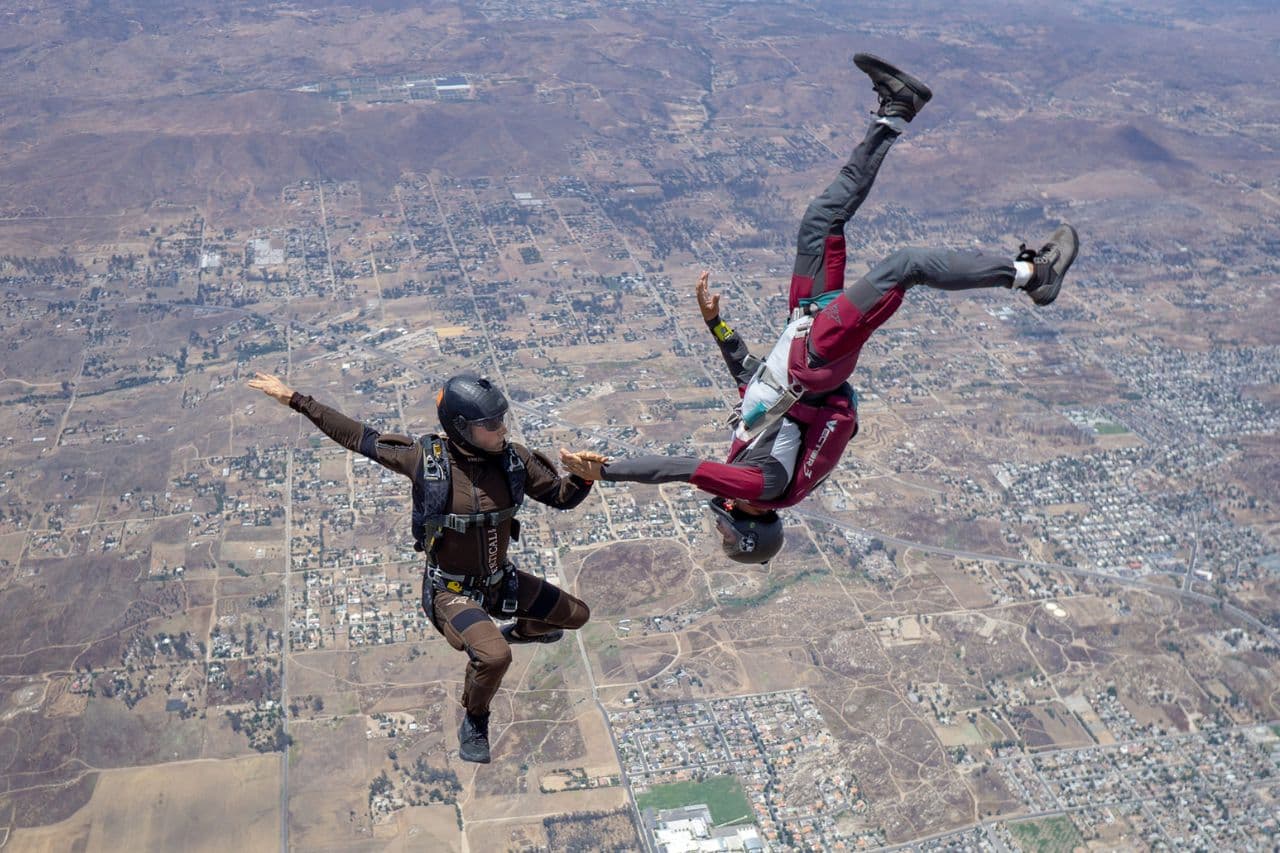
Sports are thrilling, inspiring, and a true test of human strength and courage. But some sports push the boundaries so far that they blur the line between adventure and danger.
From leaping off cliffs with just a parachute to facing roaring ocean waves taller than buildings, these activities attract only the boldest adrenaline seekers.
What makes them even more fascinating is not just their risks but also the stories of how they began—from ancient traditions like boxing to modern extremes like BASE jumping.
Also readOUR TIME: WHEN THE PAST MEETS THE PRESENT
In this list, we explore the 10 most dangerous sports in the world, uncovering both their deadly risks and the history that shaped them.
10 Most Dangerous Sports in the World: History & Hazards
1. BASE Jumping – Modern Origin: July 24, 1966
Although parachute jumping experiments date back centuries, modern BASE jumping began on July 24, 1966, when Michael Pelkey and Brian Schubert leaped off El Capitan in Yosemite. The term “BASE” was later coined in 1978 by Carl Boenish, who popularised the sport through films. Because of the low-altitude drops, even the smallest mistake in timing or equipment can prove fatal.
2. Wingsuit Flying – First Commercial Suit: May 10, 1999
The evolution of wingsuit flying came from skydiving innovations. The first commercial wingsuit, “The Original”, was tested on May 10, 1999, by Robert Pecnik and Jari Kuosma. The sport allows horizontal human flight, but misjudged trajectories often end in fatal crashes at speeds exceeding 160 mph.
3. Surfing – Ancient Polynesia (Centuries BCE), Modern Revival in Early 1900s
Surfing has deep roots in Polynesian culture, practised centuries before modern times. It resurfaced globally in the early 1900s thanks to Hawaiian surfers like Duke Kahanamoku. Big wave surfing became a specialised extreme version in the mid-20th century, and the introduction of tow-in surfing in 1992 allowed surfers to ride previously unreachable giant waves.
Also readTHE TROTRO PHARMACIST: SELF-MEDICATION CRISIS IN GHANA
4. Free Solo Climbing – Origins: Early 20th Century; Notable in 1913 and 1973
The concept of climbing without ropes dates back to the early 1900s with climbers like Paul Preuss, who tragically fell in 1913. Free soloing gained recognition in the 1970s, when climbers like Henry Barber and John Bachar scaled Yosemite routes without equipment. Today, it is considered one of the most extreme sports, where even elite climbers face life-or-death stakes with every ascent.
5. Boxing – Ancient Beginnings: 3rd Millennium BCE; Olympic Recognition: 688 BCE
Boxing is among the oldest sports, with carvings of fist-fighting traced to the Sumerians around the 3rd millennium BCE. It became part of the ancient Olympic Games in 688 BCE. Despite modern gloves and rules, boxing remains one of the most dangerous sports due to concussions, broken bones, and long-term neurological damage.
6. Bull Riding – Rodeo Origins: 19th Century
Bull riding developed in the rodeo culture of the 19th century, with the “eight-second ride” becoming the standard measure of success. Riders face the massive power of 900 kg bulls, risking broken bones, paralysis, or even death if trampled or gored. Its nickname, “the most dangerous eight seconds in sports”, is well deserved.
Also readMarriage or Engagement? How Ghana Came to Call Customary Marriage an Engagement
7. Big Wave Surfing – Pioneered in the 1940s–1950s
Big wave surfing was pioneered in Hawaii during the 1940s and 1950s by surfers such as George Downing and Buzzy Trent. With waves exceeding 30 feet, the risk of drowning, spinal injuries, or being smashed against reefs is extreme. The sport evolved in 1992 with tow-in surfing, where jet skis tow surfers onto gigantic waves once thought impossible to ride.
8. Cave Diving – Developed in the Mid-20th Century
Cave diving emerged in the mid-20th century as scuba technology advanced. Unlike open water diving, cave diving requires navigating through tight, dark spaces where losing orientation or running out of air can be fatal. With limited room for error and no direct path to the surface, it is one of the most unforgiving sports in the world.
9. Heli-Skiing – Popularised in the 1980s
Heli-skiing became popular in the 1980s when helicopters began transporting skiers to untouched mountain slopes. The allure is fresh powder and remote peaks, but the risks include avalanches, hidden crevices, and the difficulty of rescue operations in remote areas. Injuries and fatalities remain a constant concern for adrenaline seekers.
10. Motorbike Racing – Origins in the Late 19th and Early 20th Centuries
Motorbike racing began soon after the invention of motorcycles in the late 1800s and early 1900s. Today, professional riders race at speeds of over 200 mph, where crashes can be catastrophic despite protective gear. High-speed collisions, track hazards, and split-second decisions make it one of the most dangerous motorsports globally.
Edem Kwame
Chief Editor
Edem Kwame is a staff journalist at GH News Media, where he covers news, sports, politics and current affairs with a sharp focus on Ghanaian and African football.
More from Edem Kwame