Iran signals possible World Cup withdrawal after airstrikes kill supreme leader
Iran may withdraw from the 2026 World Cup after airstrikes killed Ayatollah Ali Khamenei, raising tensions with the United States and Israel.

By Edem Kwame
Published 3 min read
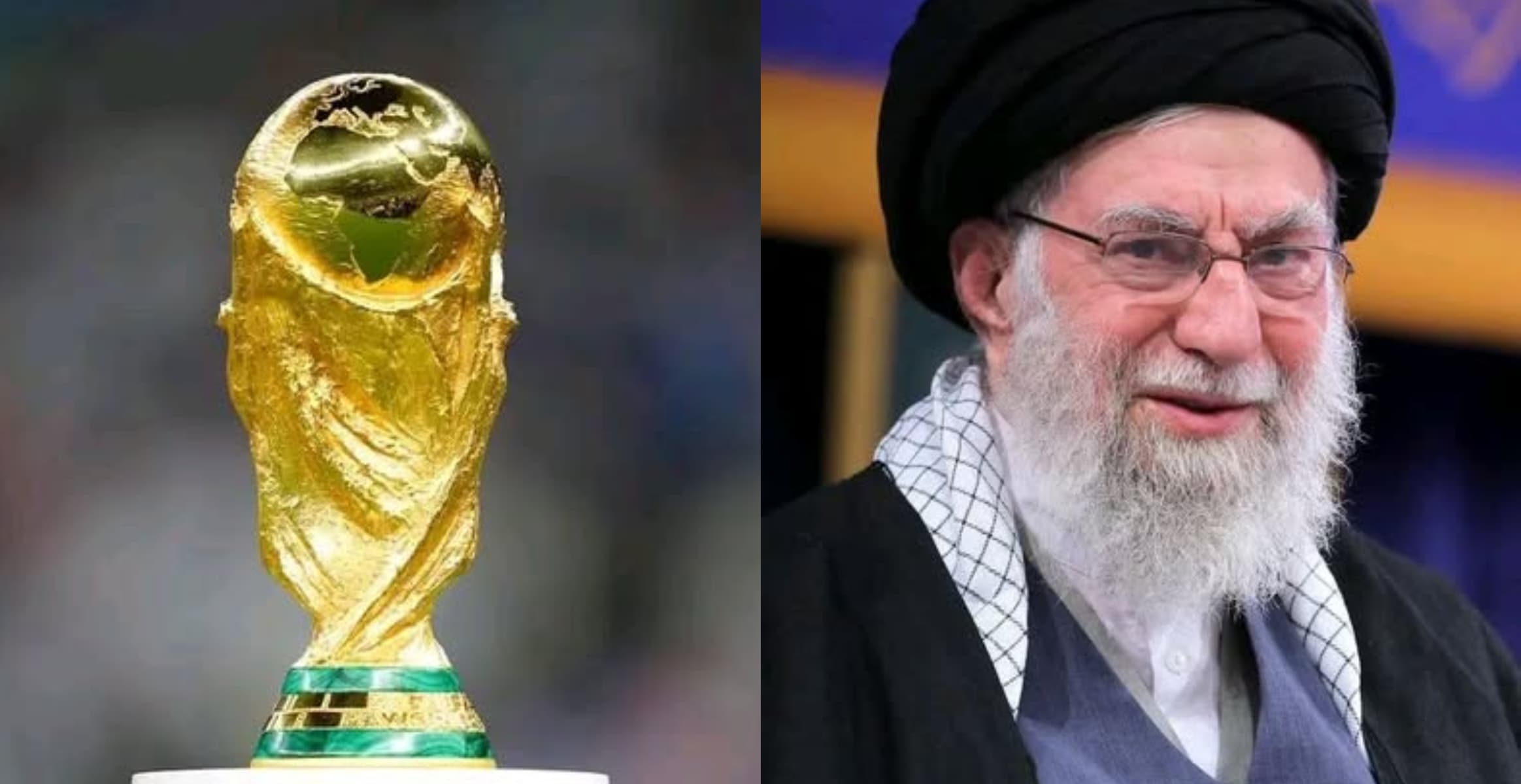
Iran has reportedly indicated it could withdraw from this summer’s World Cup following U.S. and Israeli airstrikes that killed the country’s Supreme Leader, Ayatollah Ali Khamenei.
The escalation follows a joint military operation carried out on Saturday targeting key Iranian cities, including the capital, Tehran, after weeks of rising tensions between Tehran and Washington.
The strikes occurred shortly after diplomatic negotiations between Iran and the United States aimed at limiting Iran’s nuclear programme in exchange for sanctions relief. Those talks ultimately collapsed, a development widely viewed as a major factor behind the military intervention.
The operation has drawn political reaction within the United States. Democratic lawmakers criticised President Donald Trump for authorising military action without formal congressional approval. However, White House spokesperson Karoline Leavitt stated that both Republican and Democratic congressional leaders had been briefed in advance.
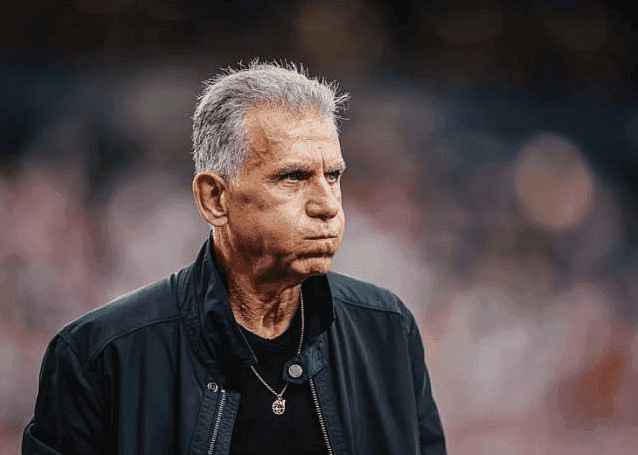
Also readCarlos Queiroz and GFA part ways after Black Stars struggles
World Cup Participation in Doubt
In the aftermath of the strikes, Mehdi Taj, president of the Iranian Football Federation, expressed serious uncertainty about the national team’s participation in the upcoming tournament.
Speaking on the Iranian television network In Tehran, Taj reportedly said, "Given what happened today and the attack by the United States, it is unlikely that we can look ahead to the cup with confidence.” He added that final decisions would rest with sporting authorities.
If Iran ultimately competes, a politically sensitive matchup could arise. The Iranian national team may face the United States in Dallas on July 3, should both sides finish second in their respective groups.
The warning comes just 107 days before Iran is scheduled to open its campaign against New Zealand at SoFi Stadium in Los Angeles.
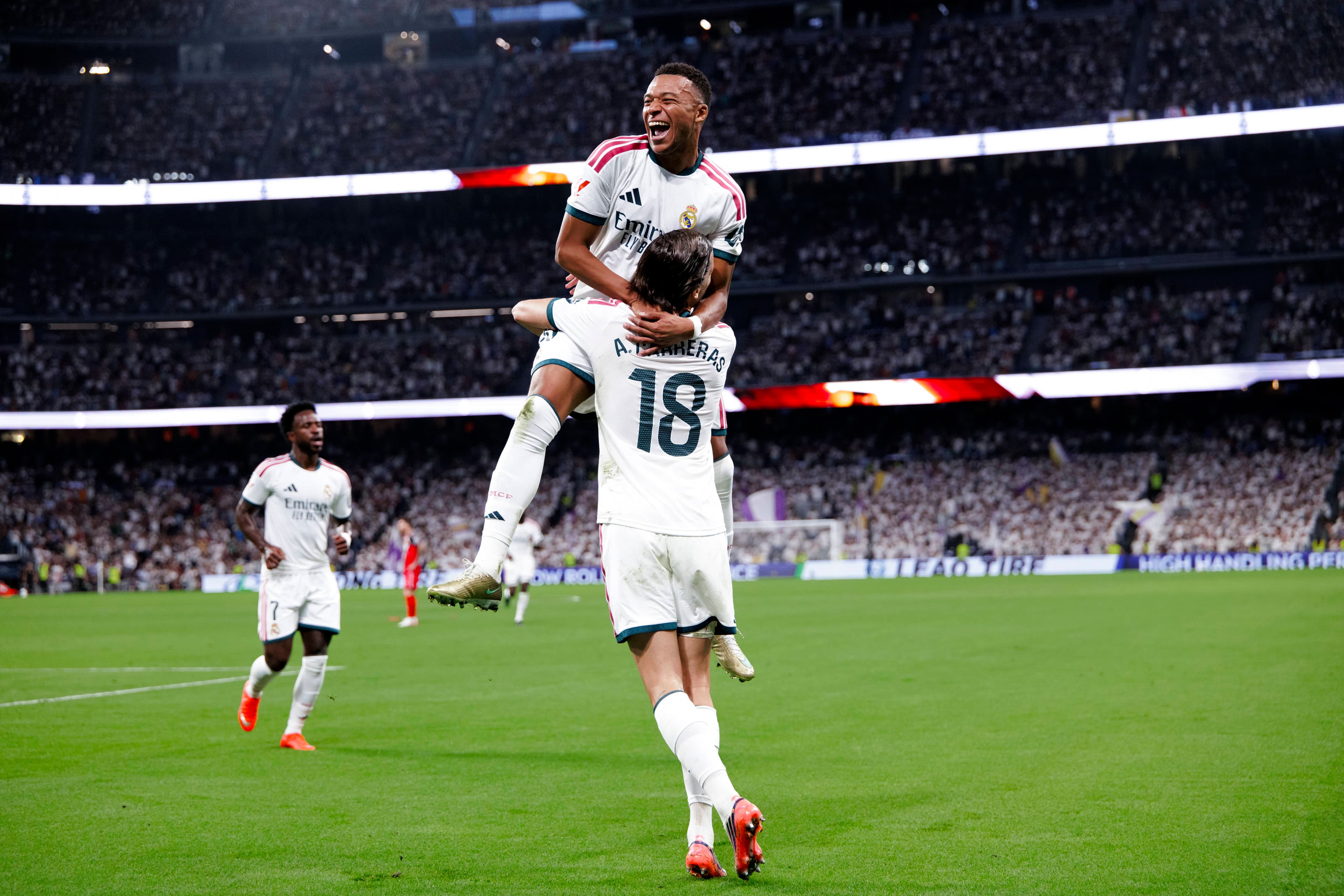
Also readLaLiga: Real Madrid beat Rayo Vallecano as Mbappe scores twice
FIFA Monitoring Developments
With the tournament set to be hosted across the United States, Canada and Mexico, FIFA officials are closely monitoring the situation.
Speaking at an International Football Association Board meeting in Wales, FIFA Secretary General Mattias Grafström acknowledged awareness of the developments but declined detailed comment.
“We had a meeting today, and it would be premature to comment in detail,” he said. “Of course, we are monitoring developments globally. Our priority remains delivering a safe World Cup with full participation.”
Iran qualified for its fourth consecutive World Cup after topping Group A in Asian qualifiers and is currently drawn in Group G. The team is scheduled to face Belgium and New Zealand in Los Angeles, followed by a final group-stage match against Egypt in Seattle.
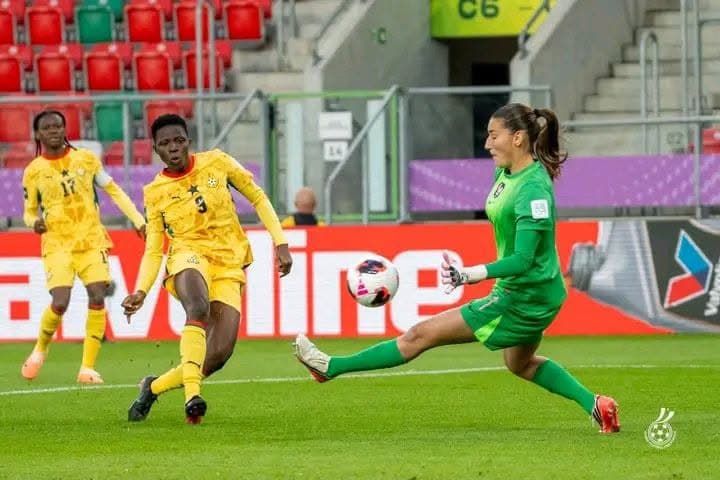
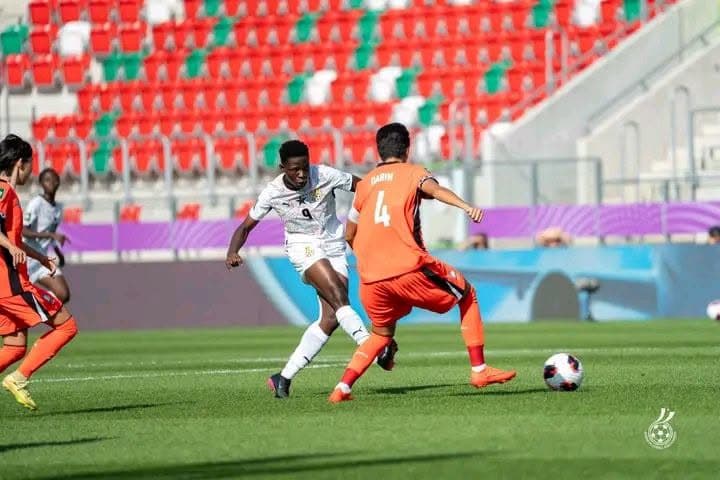
Also readGhana 0-4 France: Black Princesses crash out of U-20 World Cup
Preparations had included plans to base the team at the Kino Sports Complex in Tucson, Arizona, during the tournament. Those arrangements are now uncertain amid the rapidly evolving geopolitical crisis.
Broader Regional Impact
The military intervention follows months of domestic unrest in Iran, during which large-scale protests were met with force by authorities. President Trump confirmed Khamenei’s death on Truth Social, describing the operation as a decisive moment and framing it as an opportunity for change within Iran.
Despite the strike, analysts caution that Khamenei’s death does not automatically signal regime change. Tehran has already responded with retaliatory actions across parts of the Middle East, raising fears of broader regional instability.
Israeli officials stated that initial strikes targeted multiple locations in Tehran where intelligence suggested senior Iranian leaders were gathered.
With geopolitical tensions escalating and the World Cup fast approaching, international sports and diplomatic officials face mounting pressure to ensure security and stability in the months ahead.
Edem Kwame
Chief Editor
Edem Kwame is a staff journalist at GH News Media, where he covers news, sports, politics and current affairs with a sharp focus on Ghanaian and African football.
More from Edem Kwame