Top 10 poorest countries in Africa in 2026
Discover the 10 poorest countries in Africa in 2026, ranked by 2025 GDP per capita, with insights into poverty, economic challenges and development.

By Edem Kwame
Published 8 min read
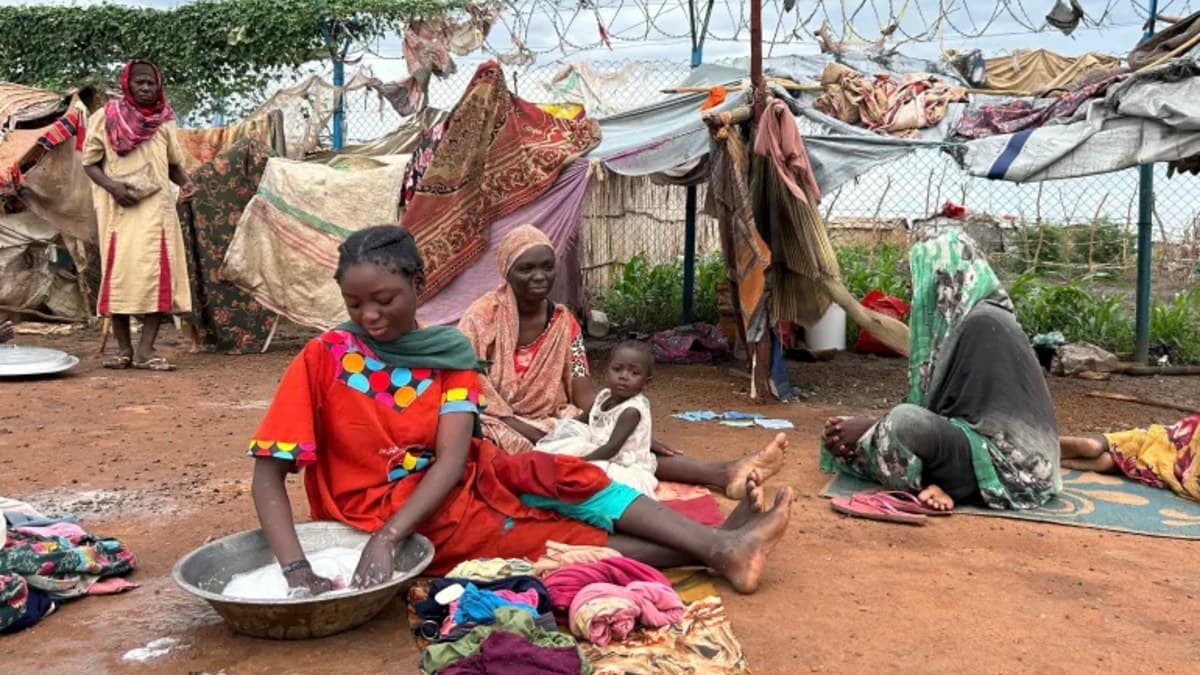
Africa is home to some of the world's fastest-growing economies, major natural resources, and enormous business opportunities. However, behind the continent's economic potential are countries where millions of people continue to struggle with poverty, unemployment, food insecurity, and limited access to essential services.
While some African nations have made significant progress in infrastructure, trade, and industrial development, others are still dealing with the consequences of conflict, political instability, weak institutions, and economic challenges that have lasted for decades.
According to the International Monetary Fund's (IMF) October 2026 World Economic Outlook, using 2025 estimates of GDP per capita in current US dollars, the following are the 10 poorest countries in Africa.
The ranking measures the average economic output per person in each country. It does not mean that every citizen earns the stated amount, but it provides an indication of the economic challenges facing these nations.
1. South Sudan – $454 per capita
South Sudan ranks as Africa's poorest country, with an estimated GDP per capita of just $454.
Despite having significant oil resources, the world's youngest country has struggled to translate its natural wealth into improved living conditions for its population.
Since gaining independence from Sudan in 2011, South Sudan has experienced years of political instability, armed conflict, and economic difficulties. Its heavy dependence on oil exports has also made the economy vulnerable to disruptions in production and export routes.
The World Bank has highlighted how conflict, weak public institutions, oil-sector disruptions, and high inflation have contributed to widespread poverty. Its October 2026 poverty assessment estimates that approximately 87 percent of the population lived on less than $3 a day in 2025.
For many South Sudanese families, access to reliable healthcare, education, employment, and sufficient food remains a major challenge.
2. Burundi—$469 per capita
Burundi is the second-poorest country in Africa, with an estimated GDP per capita of $469.
Located in East Africa's Great Lakes region, Burundi is a landlocked country with a largely agricultural economy. A significant proportion of its population depends on farming for survival, while opportunities for formal employment and large-scale industrial development remain limited.
According to the World Bank, approximately 85 percent of Burundi's population is employed in agriculture. Much of this activity involves low-productivity and subsistence farming, making household incomes vulnerable to poor harvests and other agricultural difficulties.
The country also faces challenges linked to limited infrastructure, foreign-exchange shortages, and inflation, although its economy recorded growth in 2025.
Burundi's development prospects depend heavily on improving agricultural productivity, expanding access to electricity, attracting investment, and creating more sustainable employment opportunities.
3. Madagascar—$619 per capita
Madagascar, the large island nation off Africa's southeastern coast, ranks third with an estimated GDP per capita of $619.
Also readWhat is cryptocurrency and how does it work?
The country is known for its unique wildlife, biodiversity, and natural resources. However, these advantages have not translated into widespread economic prosperity.
A large proportion of Madagascar's population depends on agriculture, while inadequate infrastructure, limited access to essential services and exposure to natural disasters continue to affect economic development.
Cyclones, droughts, and other climate-related events can damage farms, homes, and roads, placing additional pressure on communities that already have limited financial resources.
The World Bank's poverty data also highlights the scale of the challenge, with an estimated 69.17 percent of the population living below the $3-a-day poverty line in 2021, based on purchasing-power-adjusted figures.
Improving transport infrastructure, strengthening agriculture, and expanding access to education and healthcare remain important priorities for the country.
4. Malawi – $627 per capita
Malawi is the fourth-poorest country in Africa, with an estimated GDP per capita of $627.
Often described as the warm heart of Africa, Malawi is a landlocked country whose economy relies heavily on agriculture.
Tobacco, tea, sugar, and other agricultural products contribute to economic activity, but the sector remains vulnerable to changing weather conditions, droughts, and floods.
Many households depend on small-scale farming, meaning poor harvests can quickly affect food supplies and family incomes.
The country also faces broader economic pressures, including foreign-exchange shortages, rising living costs, and limited opportunities for well-paying jobs.
Although Malawi has significant potential in agriculture, tourism, and natural resources, improving productivity, strengthening infrastructure, and diversifying the economy will be essential to creating better living conditions.
5. Mozambique – $659 per capita
Mozambique ranks fifth, with an estimated GDP per capita of $659.
Located in southeastern Africa, Mozambique has considerable natural resources, including natural gas, coal, and other mineral deposits. Its long coastline also provides opportunities for fishing, trade, and tourism.
However, the country's natural wealth has not yet translated into widespread prosperity.
Persistent security challenges, particularly in the northern Cabo Delgado region, have disrupted communities and affected economic activities. Climate-related disasters, including cyclones and flooding, have also damaged infrastructure and agricultural production.
Although major natural gas projects offer opportunities for future economic growth, their benefits will depend on how effectively investment, public revenue, and employment opportunities are managed.
Also read'When the car starts, put down the Bible' – The ban on ‘trotro’ sermons
For many Mozambicans, poverty, limited access to basic services, and the shortage of stable employment remain significant concerns.
6. Sudan – $724 per capita
Sudan is the sixth-poorest country in Africa, with an estimated GDP per capita of $724.
Before the outbreak of the current conflict in April 2023, Sudan already faced economic difficulties, including high inflation, debt challenges, and political instability.
The fighting between the Sudanese Armed Forces and the Rapid Support Forces has worsened the situation, destroying infrastructure, disrupting businesses, and forcing millions of people from their homes.
Agriculture, trade, healthcare, education, and other important sectors have suffered as insecurity continues to affect economic activity.
The World Bank has reported that the conflict has created one of the world's largest displacement crises, while millions of people face severe food insecurity.
Restoring peace, rebuilding infrastructure, and reviving productive sectors will be critical if Sudan is to recover economically and improve living conditions for its population.
7. Niger—$730 per capita
Niger ranks seventh, with an estimated GDP per capita of $730.
The landlocked West African country faces several development challenges, including widespread poverty, limited infrastructure, insecurity, and vulnerability to climate change.
Agriculture and livestock farming provide livelihoods for many people, but the country's largely arid environment makes farming particularly vulnerable to drought and unpredictable rainfall.
Niger also has significant natural resources, including uranium and oil. However, turning these resources into broad-based economic development remains a challenge.
Insecurity in parts of the Sahel has further affected trade, investment, and the movement of people and goods.
Expanding education, improving agricultural productivity, strengthening infrastructure, and creating employment opportunities are among the important steps needed to support long-term development.
8. Somalia – $780 per capita
Somalia is the eighth-poorest country in Africa, with an estimated GDP per capita of $780.
For decades, Somalia has faced the effects of political instability, armed conflict, and recurring humanitarian emergencies.
Although the country has a strategic location along important international shipping routes and significant potential in livestock, fisheries, and telecommunications, insecurity and weak infrastructure have restricted economic development.
Also readBeyond the strike: How much does Ghana value its teachers?
Droughts and flooding have also affected agricultural production and livestock, threatening the livelihoods of communities that depend on farming and pastoralism.
The country continues to face challenges involving food insecurity, displacement, and limited access to essential services.
However, Somalia also has opportunities for economic growth through trade, fisheries, telecommunications, and investment in its private sector.
9. Central African Republic – $841 per capita
The Central African Republic (CAR) ranks ninth, with an estimated GDP per capita of $841.
Despite having valuable natural resources, including diamonds, gold, timber, and uranium, the country remains among Africa's poorest economies.
Years of armed conflict and political instability have weakened public institutions, disrupted economic activity, and damaged infrastructure.
Large sections of the population live in rural communities where access to healthcare, education, electricity, and reliable transport remains limited.
The country's natural resources offer opportunities for economic development, but insecurity, limited investment, and infrastructure challenges have made it difficult to turn that potential into widespread improvements in living standards.
Sustained peace, stronger institutions, and investment in essential services will be important to the country's long-term recovery.
10. Democratic Republic of the Congo – $872 per capita
The Democratic Republic of the Congo (DR Congo) completes the list, with an estimated GDP per capita of $872.
The country is one of Africa's most resource-rich nations, possessing vast reserves of cobalt, copper, gold, diamonds, and other valuable minerals.
Its mineral wealth plays an important role in global industries, particularly those involved in electronics, electric vehicles, and battery production.
However, the country's natural resources have not translated into prosperity for a large proportion of its population.
Conflict in the eastern regions, inadequate infrastructure, weak public services, and governance challenges continue to affect development.
The gap between the country's mineral wealth and the living conditions of many ordinary citizens remains particularly striking.
Improving security, strengthening institutions, investing in infrastructure, and ensuring that resource revenues support public development could help the DR Congo achieve more inclusive economic growth.
Edem Kwame
Chief Editor
Edem Kwame is the Chief Editor at Ghanapoint.com, where he covers news, sports, politics and current affairs with a sharp focus on Ghanaian and African football.
More from Edem Kwame