How climate change is affecting octopus population worldwide
Discover how climate change and ocean warming are affecting octopus populations through migration, breeding problems, and survival risks worldwide.

By Edem Kwame
Published Updated 4 min read
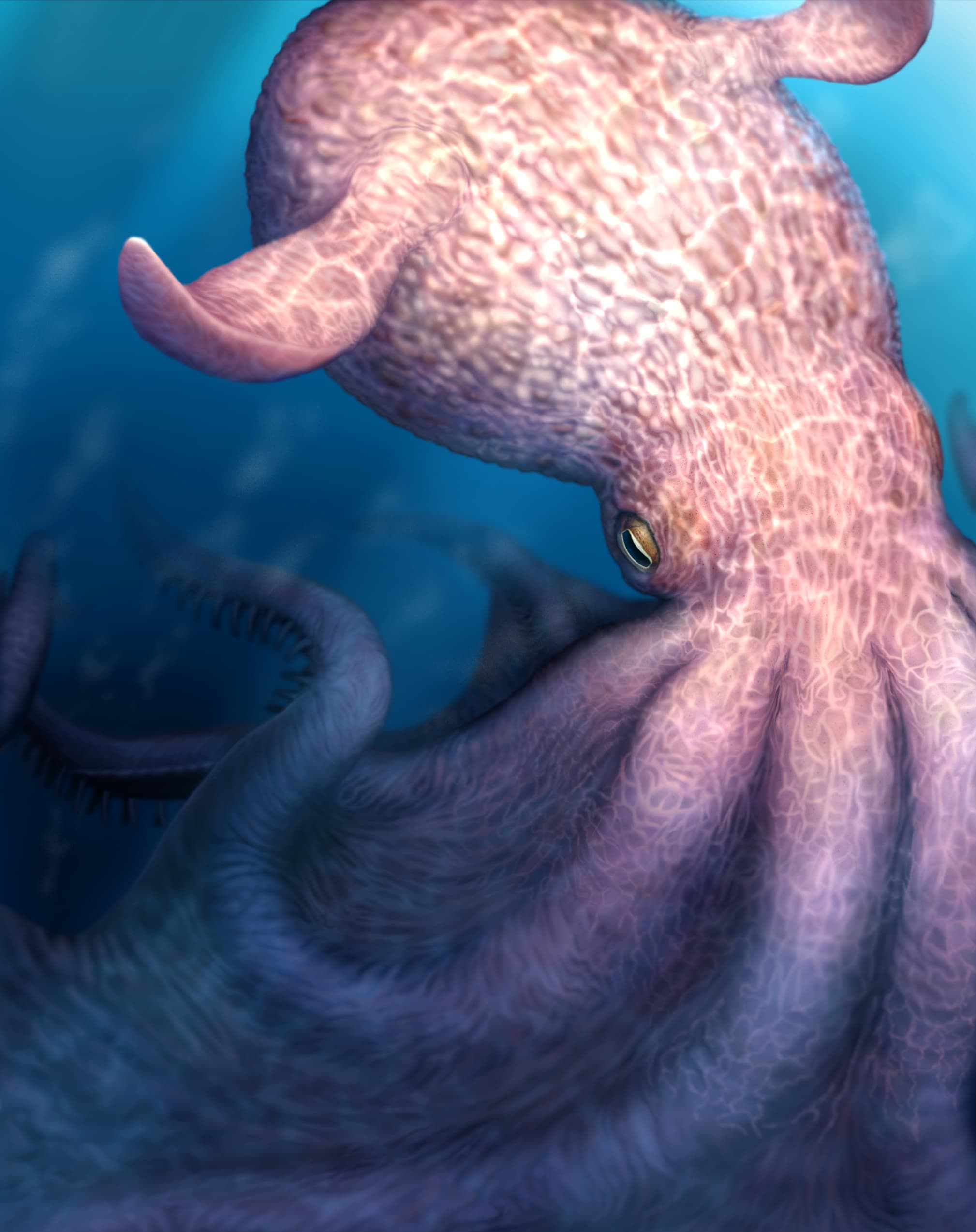
Climate change is changing life beneath the sea, and one of the smartest creatures feeling the pressure is the octopus. Famous for their intelligence, camouflage skills, and ability to solve problems, octopuses are known as natural survivors. But even these incredible animals are now facing serious challenges from rising ocean temperatures, habitat loss, and changing marine ecosystems.
Scientists say climate change is creating both winners and losers among octopus species. In some parts of the world, octopus populations are growing and moving into new waters. In other places, ocean warming is harming their breeding, growth, eyesight, and long-term survival.
So, how is climate change affecting octopus populations across the world?
Why Ocean Warming Matters to Octopuses
The ocean absorbs most of the excess heat caused by global warming. As sea temperatures rise, marine animals are forced to adapt, move, or die out.
Octopuses are especially sensitive because they grow quickly, live short lives, and depend heavily on stable environmental conditions to reproduce successfully.
Unlike some fish species that take years to respond to environmental change, octopuses react much faster. This means rising ocean temperatures can quickly increase or reduce octopus numbers.
Some octopus populations are increasing.
Not all the news is bad. In some colder parts of the world, warmer seas are helping certain octopus species expand their range.
Also readPatience Akyianu, former Barclays Bank Ghana MD and Hollard CEO, reportedly dies
For example, researchers have reported unusually high numbers of octopuses in waters around the United Kingdom. Species normally found in warmer Mediterranean seas are now appearing farther north as those areas become more suitable.
This suggests climate change may temporarily benefit some octopus populations by opening new habitats.
Rising Heat Is Hurting Baby Octopuses
While adult octopuses may move into new waters, baby octopuses are far more vulnerable.
Studies show warmer water can damage eggs, embryos, and hatchlings. Scientists found that future ocean temperatures may reduce important proteins linked to vision in young octopuses.
This is a serious issue because baby octopuses need good eyesight to hunt, hide from predators, and survive. If hatchlings struggle in early life, future octopus populations could decline sharply.
Ocean Warming May Damage Octopus Vision
Octopuses depend heavily on their eyes. They use vision to hunt prey, escape danger, and communicate through body colour and movement.
Researchers found that heat stress may weaken proteins responsible for lens clarity and healthy vision. In simple terms, hotter oceans could make it harder for octopuses to see properly.
Also readL.I. 2519: Full list of road traffic offences and jail terms in Ghana
For such an intelligent hunter, poor eyesight can be life-threatening.
Climate Change Is Disrupting Ocean Food Chains
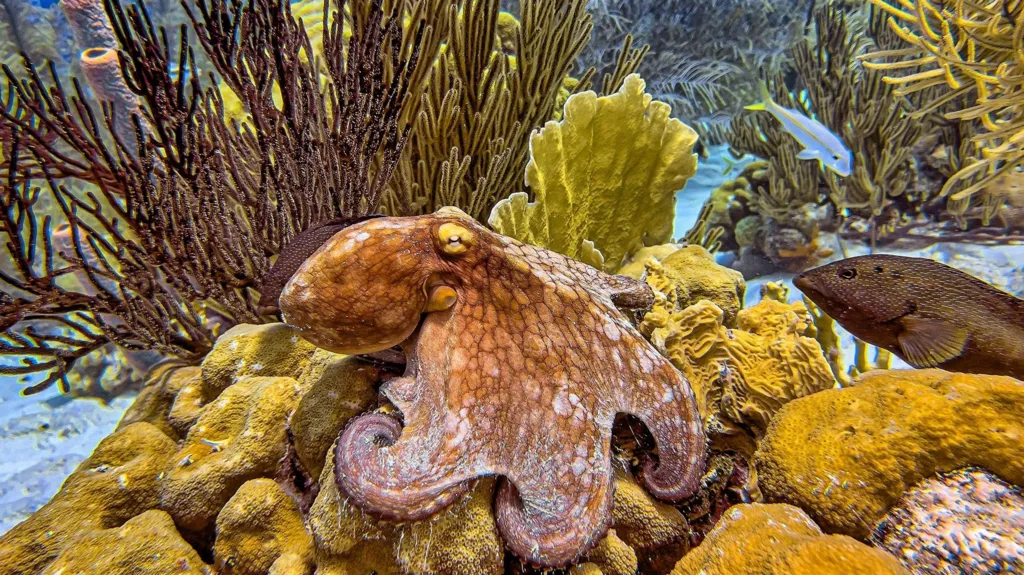 Octopuses are known for their extraordinary intelligence and for being masters of camouflage | Getty Images
Octopuses are both hunters and hunted animals. They feed on crabs, shellfish, and smaller sea creatures. At the same time, they are eaten by sharks, dolphins, seals, and large fish.
As climate change disrupts marine ecosystems, prey species may decline or move elsewhere. This can leave octopuses with less food in some areas, while other regions may suddenly provide more feeding opportunities.
Because of this, octopus numbers may rise in one location and fall in another.
Some Regions Face Greater Risk.
Climate change does not affect every ocean in the same way.
Already warm tropical seas may become too hot for some octopus species. Cooler waters in northern or southern regions may become safer habitats.
That means countries that currently have healthy octopus populations may see declines, while new areas could experience population growth.
Fisheries and Coastal Communities Could Suffer
Octopuses are important for fishing communities around the world, including parts of Africa, Europe, Asia, and Latin America.
Thousands of families rely on octopus fishing for income and food. If warming seas reduce breeding success or push octopuses into new waters, many coastal communities could lose an important source of livelihood.
This makes octopus decline not just an environmental issue but also an economic one.
Why Octopuses Adapt Better Than Many Species
Octopuses do have some natural advantages that help them survive:
Fast growth rates
Short life cycles
High intelligence
Flexible diets
Ability to live in many habitats
These traits allow octopuses to adjust faster than many slower-breeding marine animals.
However, even smart and adaptable species have limits. Extreme heat, pollution, low oxygen levels, and ocean acidification can still overwhelm them.
The Bigger Picture
The story of octopus populations under climate change is mixed.
Positive Effects of Ocean Warming on Octopuses
Expansion into cooler waters
Temporary population increases
New feeding opportunities in some regions
Negative Effects of Climate Change on Octopuses
Heat stress
Poor hatchling survival
Damaged eyesight
Food shortages
Fishery losses
Habitat disruption
Edem Kwame
Chief Editor
Edem Kwame is a staff journalist at GH News Media, where he covers news, sports, politics and current affairs with a sharp focus on Ghanaian and African football.
More from Edem Kwame