Middle East conflict spreads across region as casualties surge past 3,700
Escalating Israel-US-Iran conflict leaves 3,700+ dead and 60,000+ injured across the Middle East, with Iran and Lebanon hardest hit.

Published 2 min read
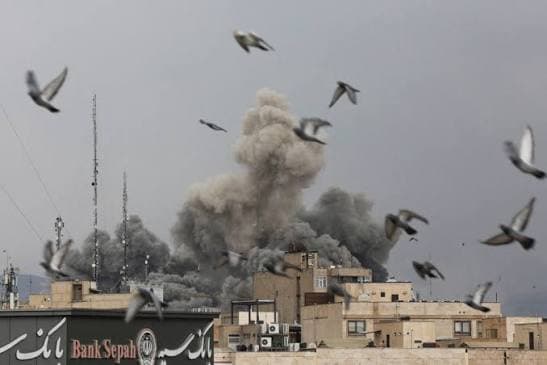
A rapidly escalating conflict involving Israel, the United States and Iran is leaving a growing humanitarian toll across the Middle East, with confirmed deaths now exceeding 3,700 and injuries surpassing 60,000.
Data compiled between February 28 and April 7, 2026, shows that the impact of the hostilities is no longer confined to a few countries, but has spread across a wide geographic area, affecting both core conflict zones and neighbouring states.
Iran remains the worst affected, recording over 2,000 deaths and more than 26,000 injuries. The scale of casualties there accounts for a significant portion of the overall figures, underscoring the country as the epicentre of the crisis.
Also readPatience Akyianu, former Barclays Bank Ghana MD and Hollard CEO, reportedly dies
In Lebanon, nearly 1,500 people have been killed, marking one of the deadliest impacts outside Iran. Meanwhile, Israel has reported relatively lower fatalities at 26, but a high number of injuries exceeding 7,000, indicating intense but less lethal strikes.
Beyond these heavily impacted areas, the conflict has rippled through several countries including Iraq, Syria and Jordan, all of which have recorded casualties. Gulf states such as Kuwait, Saudi Arabia, Bahrain, Qatar, United Arab Emirates and Oman have also reported varying degrees of fatalities and injuries.
Also readL.I. 2519: Full list of road traffic offences and jail terms in Ghana
Even areas farther from the core conflict, such as Cyprus and Palestine, have not been spared.
The United States military has also recorded casualties, with 13 personnel killed and 200 injured, highlighting the direct involvement of foreign forces and raising concerns about further escalation.
Analysts say the pattern of casualties reveals varying attack intensities, with some countries experiencing high death tolls while others record large numbers of injuries. This suggests differences in targeting, defence systems, and the nature of the strikes.
The growing number of injured persons is expected to place significant pressure on healthcare systems across the region, while the spread of the conflict increases the risk of displacement and a broader humanitarian crisis.
With multiple countries now affected and casualty figures continuing to rise, fears are mounting that the situation could deteriorate further if diplomatic efforts fail to contain the violence.
Isaac Azumah Abilla
Editor
Isaac Azumah Abilla is an Editor at GH News Media covering Ghanaian politics, news, and culture.
More from Isaac Azumah Abilla