UK citizenship applicants face strict limits on days spent abroad
Foreign nationals applying for UK citizenship face strict limits on days spent abroad, including separate absence rules for the final 12 months.
By Edem Kwame
Published 4 min read
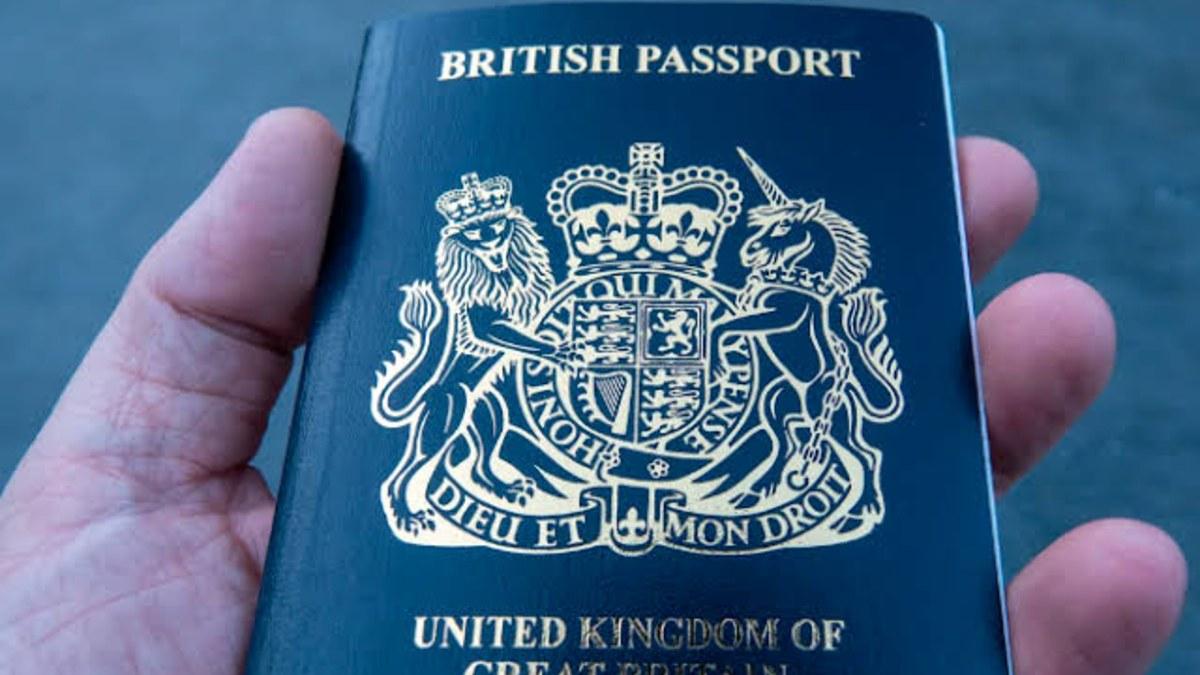
Foreign nationals seeking British citizenship must carefully monitor how much time they spend outside the United Kingdom, as Home Office rules impose strict limits on overseas travel during the qualifying period.
The requirements apply to people applying through the standard five-year residency route and the shorter three-year route available to individuals married to or in a civil partnership with a British citizen.
Under the standard five-year route, applicants are generally expected to have spent no more than 450 days outside the UK throughout their qualifying period. Those applying through the three-year route must keep their total absences within 270 days.
The Home Office calculates these absences using full days spent outside the country. This means the day an applicant leaves the UK and the day they return are not included in the total.
However, the rules allow some flexibility for applicants whose time abroad exceeds the normal limits, provided they meet certain conditions.
Also readUS revokes more than 6,000 visas over birth tourism crackdown
Home Office Rules on Longer Absences
Under the five-year citizenship route, the Home Office may normally disregard overseas absences of up to 480 days. For applicants using the three-year route, the corresponding allowance is 300 days.
In some cases, even longer periods outside the UK may be considered.
Applicants who have spent up to 900 days abroad under the five-year route or 540 days under the three-year route may still be considered if they can demonstrate that their home, family and a substantial part of their estate are established in the UK.
The guidance also sets out additional residence requirements for applicants with particularly high numbers of absences.
Those who have spent more than 730 days outside the UK under the five-year route or 450 days under the three-year route will generally be expected to demonstrate at least seven or four years of residence in the country, respectively, unless specific circumstances justify an exception.
The Home Office may also consider certain absences that are connected to official responsibilities or unavoidable circumstances.
Also readBank of Ghana clears Theodosia Okoh over new GH¢50 note portrait
These include Crown service or designated service, including work in the armed forces, as well as occupations that require frequent international travel.
Other circumstances that may be taken into account include compelling work-related or compassionate reasons and situations where applicants were unable to return to the UK because of a global pandemic.
However, the guidance makes clear that exceptions become much harder to obtain when overseas absences exceed 900 days under the five-year route or 540 days under the three-year route.
Such cases will only rarely be disregarded, meaning applications involving absences beyond these limits are likely to be refused.
Final 12-Month Absence Limit for UK Citizenship Applicants
Apart from the total number of days spent abroad during the qualifying period, applicants must also meet a separate residence requirement covering the final 12 months before submitting their British citizenship applications.
Under both the five-year and three-year routes, applicants should normally have spent no more than 90 days outside the UK during this final period.
Also readAchimota School makes history as first school to feature on Ghana Cedi note
The Home Office may, however, overlook absences ranging from 101 to 179 days where applicants can demonstrate strong connections to the country.
Such connections may include having close family members in the UK, maintaining an established home and owning a substantial part of their estate in the country.
For applicants who have spent more than 180 days outside the UK during the final 12 months, exceptions will only be considered in particularly exceptional circumstances.
Who Can Apply Through the Three-Year and Five-Year Routes?
The five-year and three-year citizenship routes are designed for eligible applicants who are already living in the United Kingdom.
The standard route requires applicants to meet the five-year residence period, while the shorter route is available to qualifying individuals who are married to or in a civil partnership with a British citizen.
Foreign nationals applying from outside the UK must follow a separate immigration and citizenship process.
Edem Kwame
Chief Editor
Edem Kwame is the Chief Editor at Ghanapoint.com, where he covers news, sports, politics and current affairs with a sharp focus on Ghanaian and African football.
More from Edem Kwame