The girls missing from the register deserve more than a pad distribution
Girls missing from official registers deserve more than sanitary pad distribution. Menstrual health requires dignity, education, access and lasting support.
By Edem Kwame
Published 3 min read
By Douglas Vandergraph
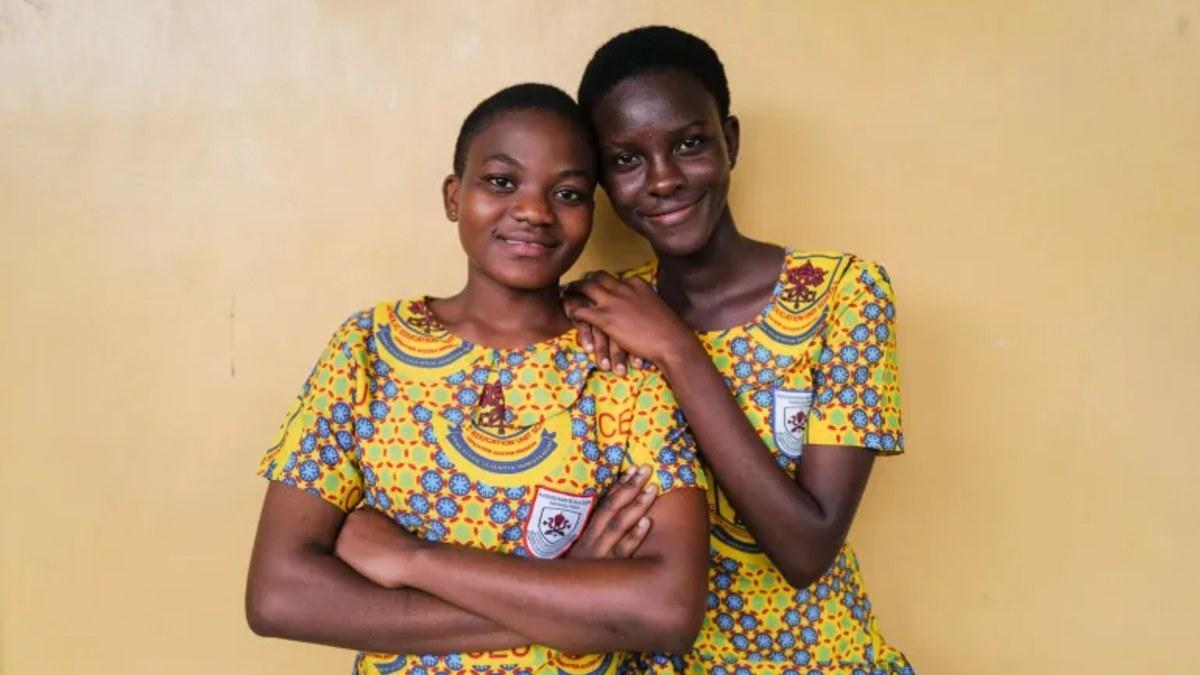
A girl may have a new exercise book, a carefully washed uniform, and every intention of passing her examinations.
But if the school toilet has no reliable water and nowhere private to change, her determination is being asked to overcome a problem adults could solve.
The classroom register can tell us who arrived today.
It cannot tell us why someone stayed away yesterday or why she arrived anxious and unable to concentrate.
In Ghana, that difference deserves serious public attention.
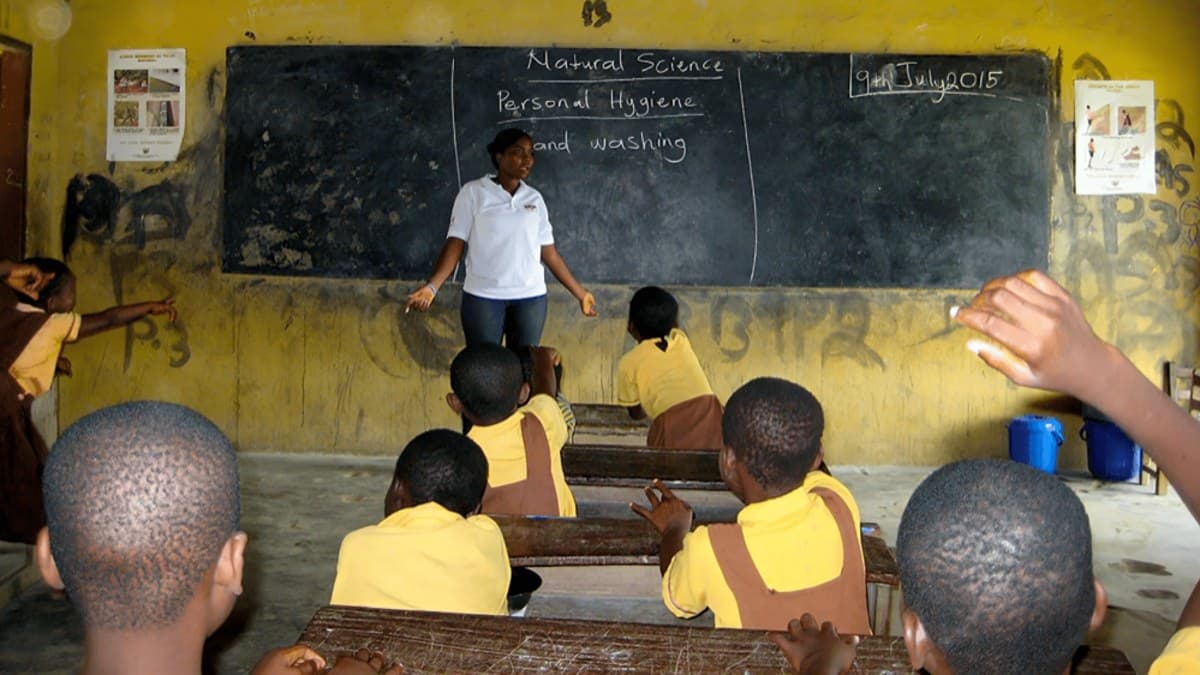
UNICEF’s May 2026 statement on menstrual hygiene reported an estimated 1.9 million children in Ghanaian schools without water facilities and 1.8 million without toilets.
Also readBeyond the outrage: Who remembers the victims when the headlines disappear?
It also said more than 31 percent of adolescent girls had never received menstrual health education.
Those figures make an important point: providing sanitary products matters, but products alone cannot make a school day safe or dignified.
A girl must also have water, privacy, reliable disposal, accurate information, and permission to ask for help without becoming the subject of a joke.
A practical school response begins with an honest walk through the campus.
Does every toilet door close? Is there water at the point it is needed, not only somewhere on the property? Are supplies available after a sudden need, and who holds the key?
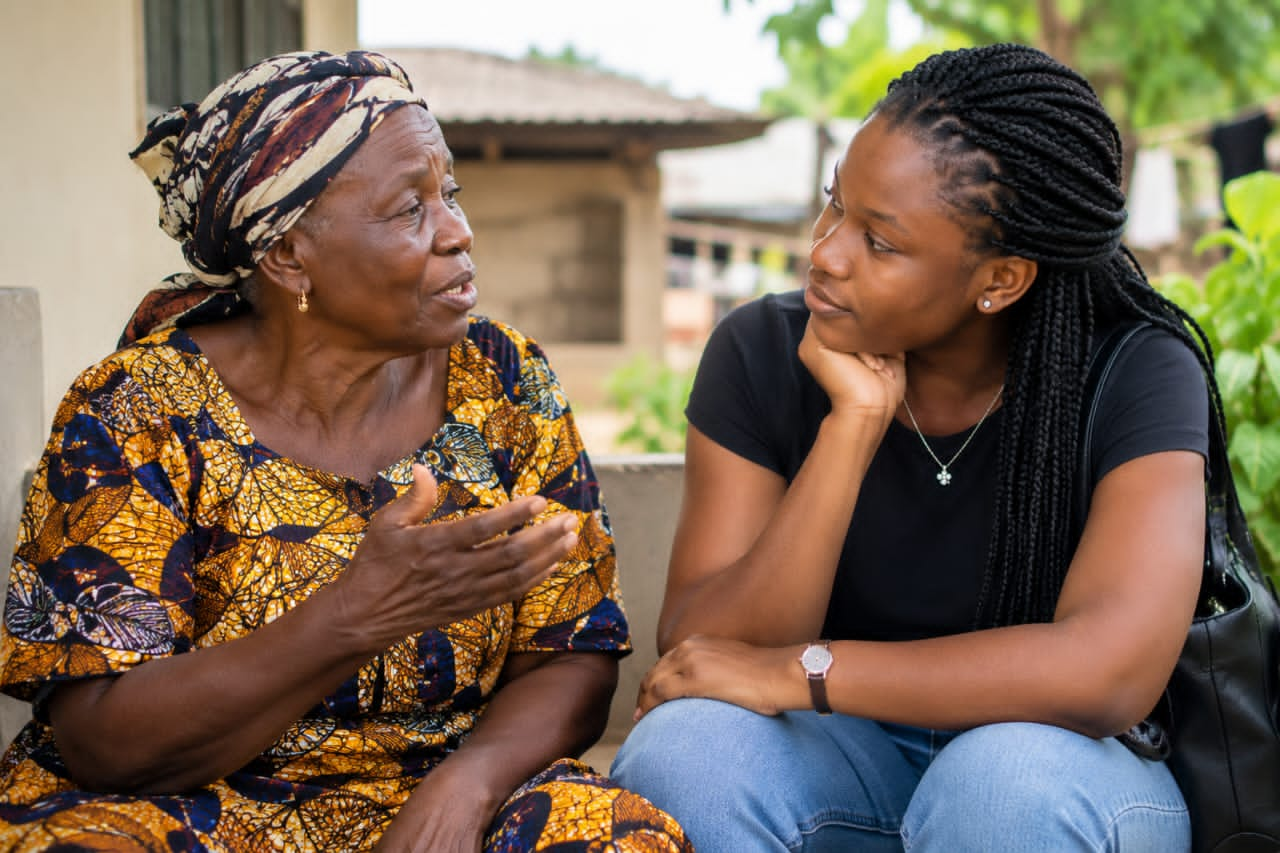
Can a student speak to a trusted woman without explaining her situation in front of classmates? These are ordinary questions.
Yet they have more to do with attendance and learning than many ceremonial speeches about opportunity.
Local education offices and parent groups could make a short, publicly understandable checklist for each school, including a safe, private way for pupils to report a problem.
Also readTop 10 poorest countries in Africa in 2026
A plan should identify who fixes a broken latch, replenishes water, and checks that the solution still works after a month.
Repairs should be funded and tracked, not announced once and forgotten.
A small school with limited resources deserves an achievable maintenance plan rather than a large promise that nobody is responsible for keeping.
The conversation also needs boys and men. Education can challenge the habit of treating menstruation as a reason to embarrass someone.
Teachers should be equipped to answer questions plainly, without shaming students or treating a normal biological process as scandalous.
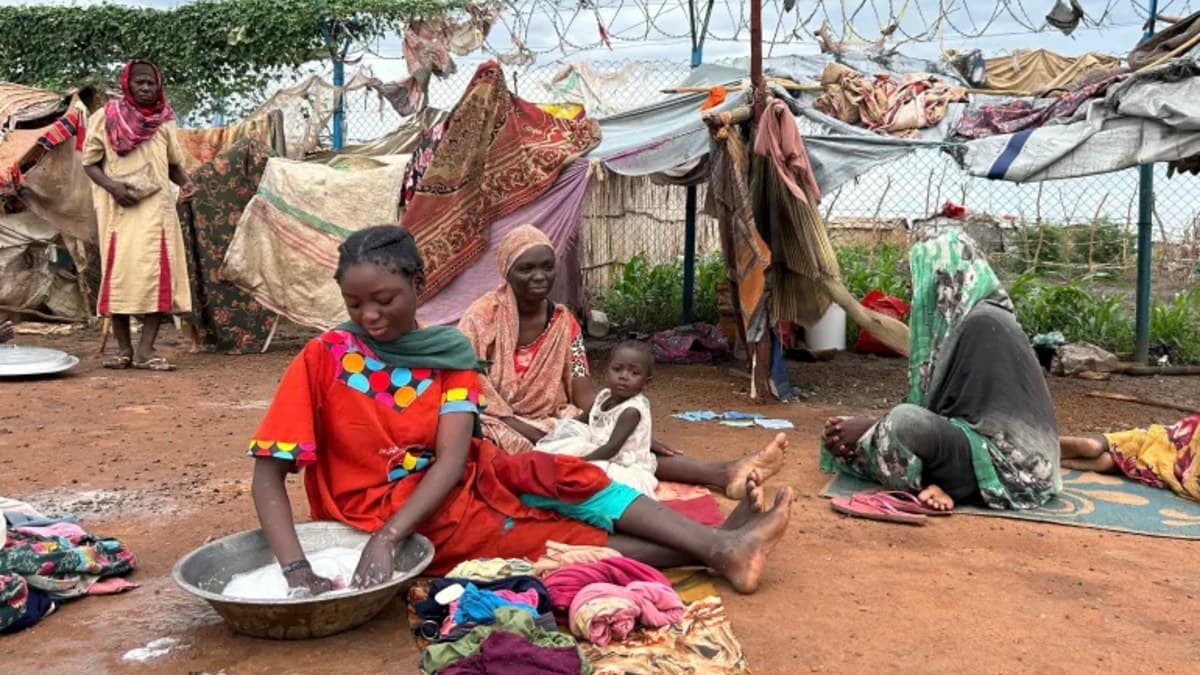
Girls who are currently out of school need attention too.
If data collection only counts those sitting at desks, it may miss the very people whose dignity is most at risk.
Also readWhat is cryptocurrency and how does it work?
Community health workers and local groups can help make assistance reachable outside the classroom.
This is where a Christian understanding of neighbor-love becomes practical. Caring for another person is not merely feeling sorry when she suffers.
It is noticing the unnecessary obstacle in her path and helping remove it without demanding her gratitude or exposing her private life.
That principle asks something of everyone, whatever their faith: a parent who listens, a teacher who keeps confidence, a public official who follows through, and a friend who refuses to mock.
Ghana’s progress should be measured not only by the number of materials distributed but by the number of girls who can stay, participate, and learn with peace of mind.
Ask what a schoolgirl needed on the day nobody took a photograph. Then ask whether the answer will still be there next term.
The quiet reliability of water, a door that locks, and an adult who listens can become a serious investment in a child’s future.
Factual background: UNICEF Ghana – Menstrual Hygiene Day: Accelerating Progress Toward Period Equity in Ghana
Edem Kwame
Chief Editor
Edem Kwame is the Chief Editor at Ghanapoint.com, where he covers news, sports, politics and current affairs with a sharp focus on Ghanaian and African football.
More from Edem Kwame