Why the UK Celebrates Mother’s Day in March While Many Countries Celebrate in May
Discover why the UK celebrates Mother’s Day in March while many countries mark it in May, and learn the history behind Mothering Sunday and the global tradition

By Edem Kwame
Published 3 min read
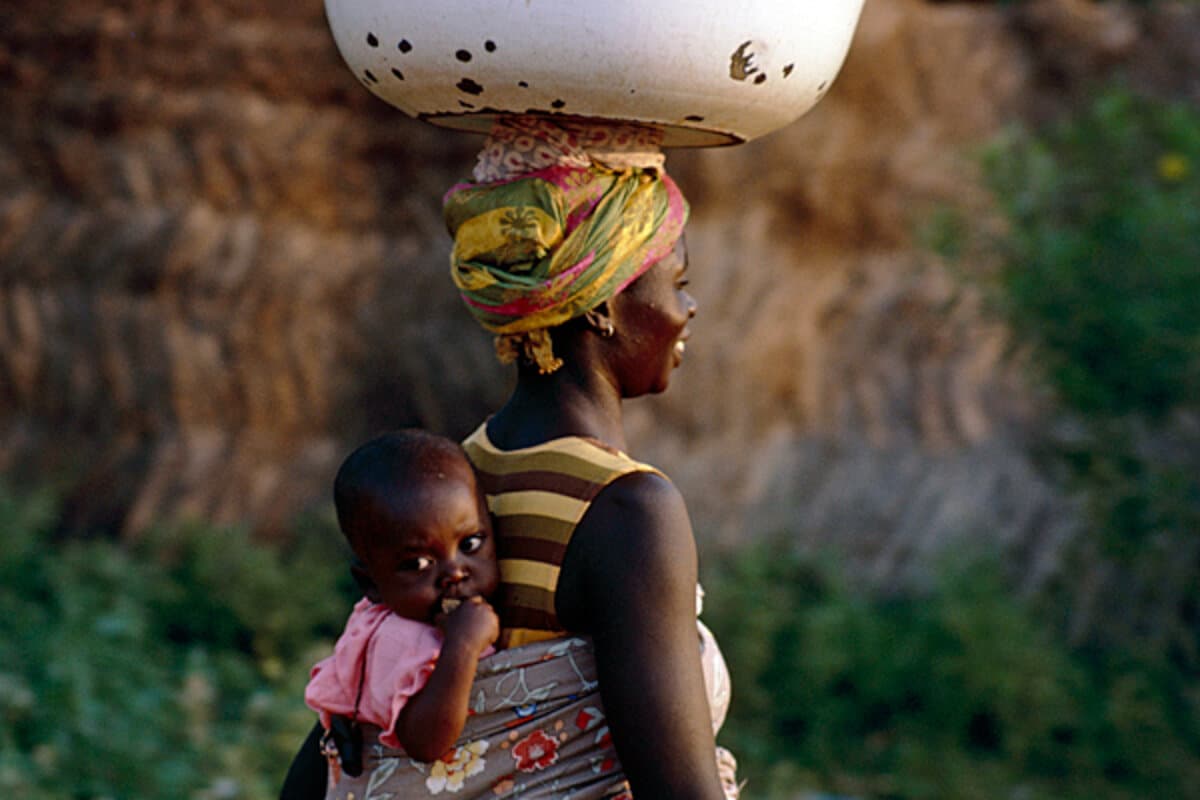
Every year, millions of families around the world take time to celebrate Mother's Day, honouring the love, sacrifice, and influence of mothers. However, while many countries mark the occasion on the second Sunday of May, the United Kingdom observes it weeks earlier in March. This difference often leaves people wondering why the dates do not align, especially in an era when many global celebrations follow similar calendars.
The answer lies in history. The modern May celebration is largely influenced by the campaign of Anna Jarvis in the United States in the early 20th century, while the UK’s tradition traces its roots to Mothering Sunday, a centuries-old Christian observance linked to the period of Lent leading up to Easter. Although both occasions now share the same purpose—celebrating mothers—their origins explain why the dates remain different.
Understanding these historical roots reveals how culture, religion, and social movements shaped one of the most widely celebrated family holidays in the world.
The global version of Mother's Day celebrated in May largely comes from the United States.
Also readPatience Akyianu, former Barclays Bank Ghana MD and Hollard CEO, reportedly dies
In the early 20th century, an American woman named Anna Jarvis campaigned for a national day to honour mothers after her own mother died in 1905. She wanted a special day dedicated to recognising the sacrifices and love of mothers.
Her efforts gained widespread support, and in 1914, Woodrow Wilson, then president of the United States, officially declared the second Sunday in May as Mother’s Day.
Because of America’s cultural influence, many countries later adopted the same date. Today, nations such as the following:
United States
Canada
Australia
Germany
Japan
Brazil
India
All celebrate Mother’s Day on the second Sunday of May (often around May 10 depending on the year).
In these countries, the day is typically marked by:
Also readL.I. 2519: Full list of road traffic offences and jail terms in Ghana
Giving flowers, cards, and gifts
Taking mothers out for meals
Family gatherings and appreciation messages
Why the United Kingdom celebrates earlier in March
The United Kingdom follows a completely different tradition called Mothering Sunday.
This celebration dates back hundreds of years and is connected to the Christian calendar rather than modern social movements.
Mothering Sunday falls on the fourth Sunday of Lent, which is a religious period leading up to Easter. Because Lent changes every year, the date of Mothering Sunday also changes. It usually falls between early March and early April.
Historically, the day had a different meaning:
People would return to their “mother church” (the main church in their area).
Domestic servants were given the day off to visit their families.
Children would bring flowers or small cakes to their mothers.
Over time, the religious meaning faded, and it evolved into a day similar to the modern Mother’s Day celebrated elsewhere.
Why the dates remain different today
The difference continues mainly because the traditions developed independently:
May Mother’s Day → rooted in an American social movement in the early 1900s.
Mothering Sunday (UK) → rooted in Christian church traditions from centuries ago.
Even though both celebrations now focus on appreciating mothers, countries have largely kept the dates tied to their historical origins.
The common purpose behind both celebrations
Despite the different dates, both celebrations share the same message: honouring the role of mothers in families and society.
Whether it is observed in March in the UK or May in many other countries, the day remains a time for people to show gratitude, love, and respect for mothers and maternal figures.
Edem Kwame
Chief Editor
Edem Kwame is a staff journalist at GH News Media, where he covers news, sports, politics and current affairs with a sharp focus on Ghanaian and African football.
More from Edem Kwame