3 places in the world where people still live underground
Explore three places where people live underground or in rock-carved homes, from Coober Pedy in Australia to Matmata in Tunisia and Kandovan in Iran.

By Edem Kwame
Published 5 min read
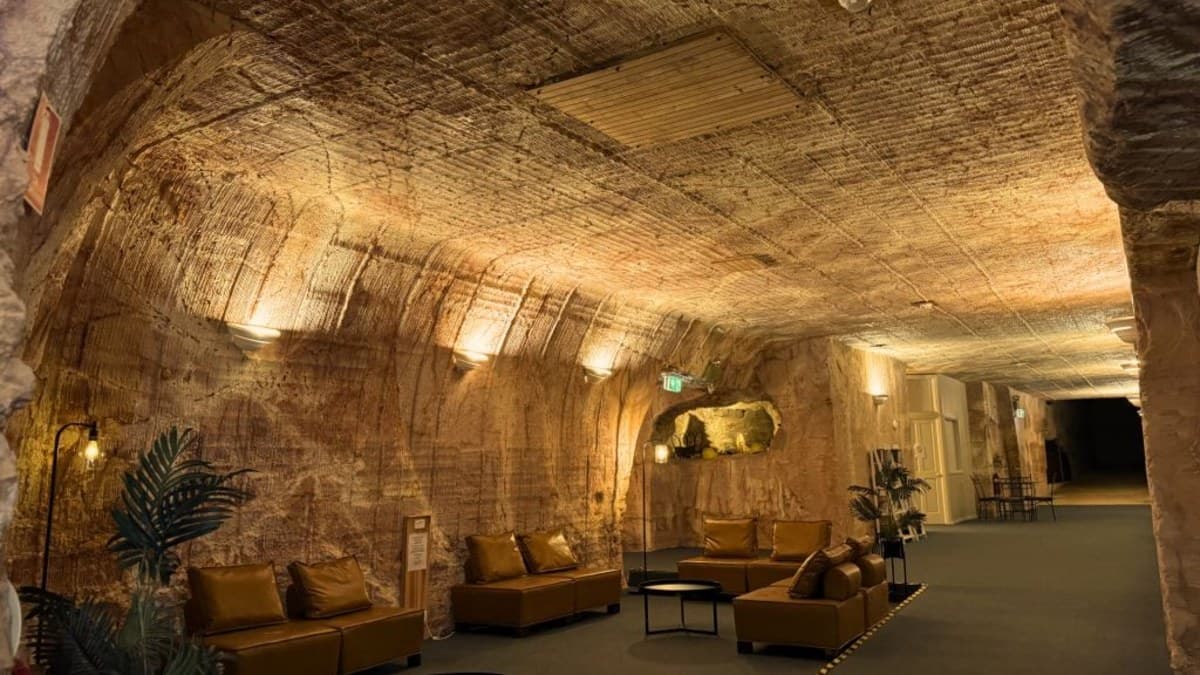
While most people build houses above the ground, some communities around the world have developed a different way of living by creating homes beneath the surface or carving them directly into rock formations.
From Australia's scorching outback to the traditional settlements of North Africa and the volcanic landscapes of Iran, underground and cave-style homes have provided shelter for generations. Their unusual designs offer practical solutions to harsh weather conditions while preserving distinctive architectural traditions.
Coober Pedy in Australia, Matmata in Tunisia, and Kandovan in Iran are three remarkable examples of places where underground or rock-carved dwellings remain part of the local landscape.
1. Coober Pedy, Australia: The town famous for underground homes
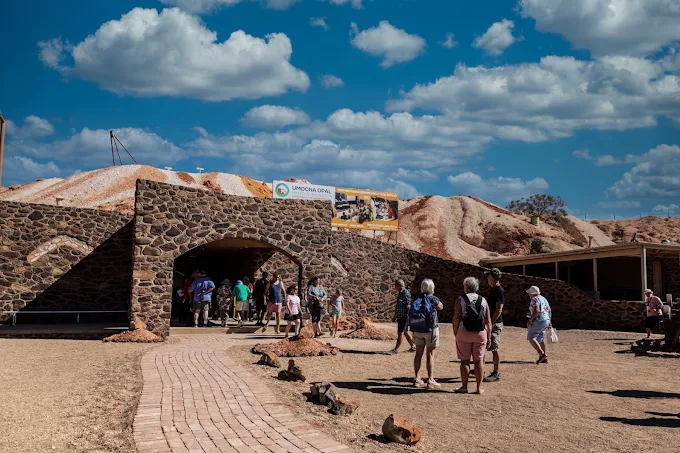 Coober Pedy,
Located in South Australia, Coober Pedy is internationally known for its opal mines and underground houses. The remote desert town has developed a distinctive architectural tradition in which residents excavate homes into the surrounding rock to escape the intense heat.
These underground dwellings, commonly known as dugouts, range from simple family homes to spacious properties featuring bedrooms, kitchens, bathrooms, and living rooms. Some underground buildings also accommodate churches, galleries, and visitor attractions.
Why do people live underground in Coober Pedy?
The area's extreme desert climate is one of the main reasons residents favor underground housing. Summer temperatures can rise considerably, making it challenging and expensive to keep conventional houses cool.
By building into the rock, residents benefit from more stable indoor temperatures. The surrounding earth acts as insulation, reducing exposure to the intense heat outside and helping maintain comfortable living conditions.
Also readTop 10 poorest countries in the world in 2026
The town's underground lifestyle developed alongside its opal-mining industry. As miners excavated the ground in search of precious stones, underground construction became a practical housing option.
Today, Coober Pedy's dugouts are an important part of its identity, attracting visitors interested in its mining history and unusual way of life.
Although underground living is widespread in the town, not every resident lives beneath the surface.
2. Matmata, Tunisia: Traditional homes built beneath the desert
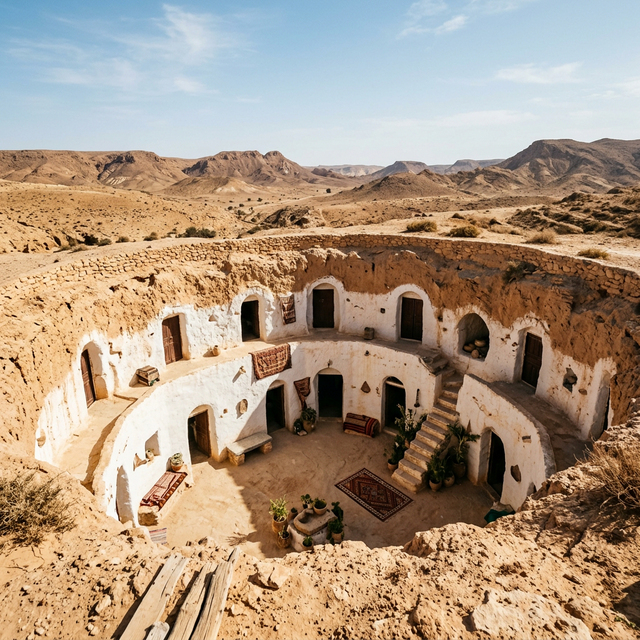 Matmata
In southern Tunisia, Matmata is renowned for its traditional underground dwellings, which reflect generations of architectural adaptation to the North African desert environment.
The homes are associated with the region's Amazigh population, also known as Berbers. Rather than constructing conventional houses above ground, builders excavate large courtyards into the earth and carve individual rooms into the surrounding walls.
A typical traditional dwelling may contain bedrooms, kitchens, storage spaces, and connecting passages arranged around an open central courtyard.
How do Matmata's underground houses work?
The design helps protect residents from the region's hot summers and cooler nights. The earth surrounding the rooms provides insulation, while the open courtyard allows daylight to enter and helps air circulate.
The individual dwellings' precise age varies, and the architectural tradition's origins remain uncertain.
Also readSWIM set for November launch to create opportunities for African youth
However, Matmata's traditional homes have survived generations of social and environmental change. Severe flooding in 1969 damaged many dwellings and contributed to the relocation of some residents into newer settlements.
Despite these changes, traditional underground homes remain an important part of the area's cultural heritage. Some continue to be used as residences, while others have been converted into guesthouses and tourist attractions.
Matmata also became internationally recognized through the Star Wars film franchise. Hotel Sidi Driss, a traditional underground building in the area, was used as a filming location for scenes representing the Lars family homestead on the fictional planet Tatooine.
The village offers a striking example of how traditional architecture can combine practical shelter with cultural identity and tourism.
3. Kandovan, Iran: A village with homes carved into volcanic rock
Kandovan, located in Iran's East Azerbaijan province, is another unusual settlement where people live in homes carved directly into natural rock formations.
Unlike the excavated dwellings of Coober Pedy and Matmata, Kandovan's houses are built into distinctive cone-shaped formations created by ancient volcanic activity.
Over time, people carved entrances, windows, and rooms into these formations, transforming the natural rock into functional living spaces. The result is a village where buildings appear to emerge directly from the surrounding mountainside.
How did Kandovan become a settlement of rock houses?
The village's architecture developed around the availability of naturally formed rock that could be shaped into shelters.
Also readMahama pushes for Ghana-made vaccines after COVID-19 supply challenges
Rather than relying entirely on conventional building materials, residents used the existing geological landscape to create homes suited to their surroundings. Some dwellings have subsequently been modified to accommodate changing household needs and modern conveniences.
The precise age of Kandovan is uncertain. Estimates of its origins vary, and claims that the settlement dates back thousands of years should be treated as estimates rather than a conclusively established date.
Today, Kandovan is recognized for its distinctive architecture and continuing residential life. Its unusual appearance also attracts tourists interested in traditional Iranian settlements and the relationship between human habitation and the natural environment.
The village demonstrates how communities can transform geological formations into functional homes without completely abandoning their historical architectural character.
What makes these underground communities unique?
Although Coober Pedy, Matmata, and Kandovan are located in different countries, they share an important characteristic: their architecture reflects the environment in which their residents live.
In Coober Pedy, underground homes help manage extreme desert temperatures. In Matmata, sunken courtyards and excavated rooms provide shelter from the North African climate. In Kandovan, residents have adapted natural volcanic rock formations into living spaces.
Their differences are equally important. Coober Pedy's dugouts are closely associated with modern opal mining, Matmata's homes reflect a traditional courtyard-based design, and Kandovan is distinguished by houses carved into naturally occurring rock cones.
These settlements challenge the conventional idea that a home must be built entirely above ground. They also demonstrate how local knowledge, available materials, and environmental conditions have shaped housing traditions across generations.
Edem Kwame
Chief Editor
Edem Kwame is the Chief Editor at Ghanapoint.com, where he covers news, sports, politics and current affairs with a sharp focus on Ghanaian and African football.
More from Edem Kwame