Top 10 poorest countries in the world in 2026
Discover the top 10 poorest countries in the world in 2026, ranked by GDP per capita at purchasing power parity, using the latest IMF economic projections.

By Edem Kwame
Published 6 min read
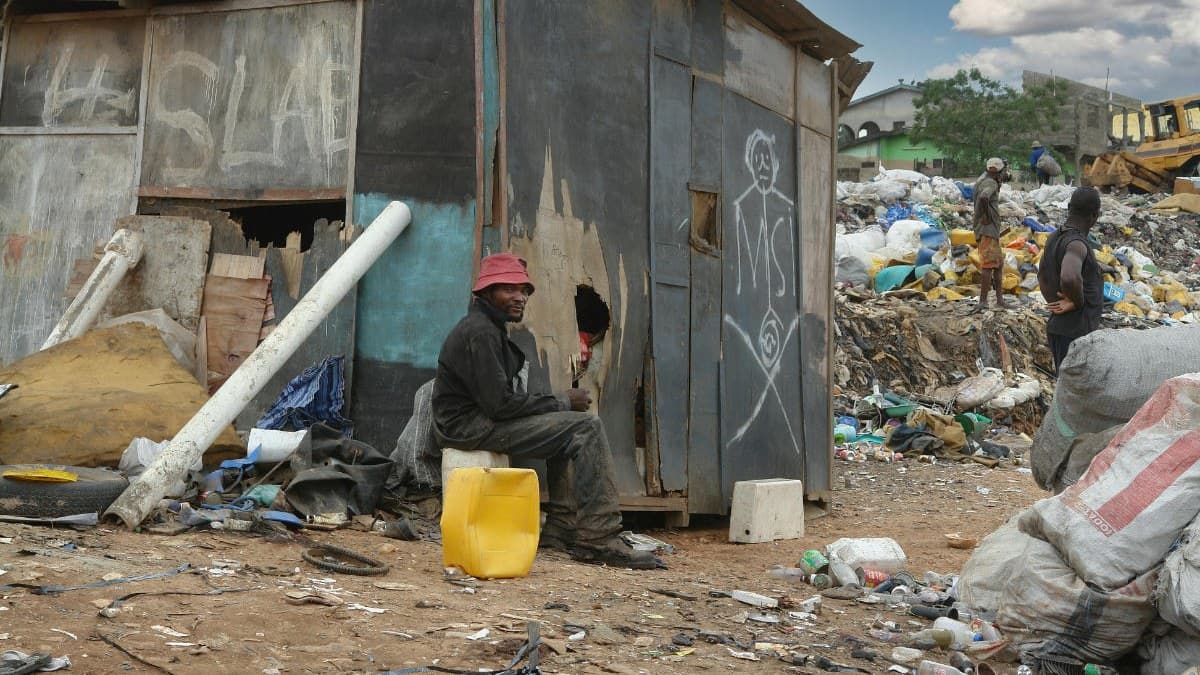
Burundi, Yemen, South Sudan and Mozambique are among the countries with the lowest projected GDP per capita in 2026, according to estimates from the International Monetary Fund (IMF).
The latest economic projections highlight the significant development challenges facing several countries, particularly in Africa, where poverty, limited infrastructure, insecurity and restricted access to essential services continue to affect economic progress.
According to the IMF's October 2026 World Economic Outlook estimates, Burundi ranks as the poorest country in the world when measured by GDP per capita adjusted for purchasing power parity (PPP). Yemen and South Sudan follow, while Mozambique, Malawi and Somalia also feature among the world's 10 lowest-ranked economies under this measure.
The ranking provides an indication of economic output per person after accounting for differences in the cost of living between countries. However, GDP per capita does not directly measure household income or the percentage of people living in poverty.
Top 10 poorest countries in the world in 2026
The following table presents the 10 countries with the lowest projected GDP per capita at purchasing power parity in 2026, using figures published by Worldometer from the IMF's October 2026 World Economic Outlook.
Rank | Country | GDP per capita (PPP) |
|---|---|---|
1 | Burundi | US$1,036 |
2 | Yemen | US$1,571 |
3 | South Sudan | US$1,582 |
4 | Mozambique | US$1,721 |
5 | Malawi | US$1,819 |
6 | Somalia | US$1,976 |
7 | Liberia | US$2,113 |
8 | Madagascar | US$2,124 |
9 | Democratic Republic of the Congo | US$2,138 |
10 | Central African Republic | US$2,170 |
Source: IMF World Economic Outlook, October 2026, as compiled by Worldometer. Figures are projected GDP per capita in international dollars, adjusted for purchasing power parity.
1. Burundi
Burundi ranks as the poorest country in the world in 2026 under the GDP-per-capita-PPP measure, with a projected figure of US$1,036.
The East African country faces persistent economic challenges, including heavy dependence on agriculture, limited industrial development and inadequate infrastructure. A large share of the population relies on small-scale farming, leaving many households vulnerable to poor harvests, changing weather conditions and fluctuations in agricultural prices.
Limited access to formal employment and investment opportunities also constrains economic growth. Expanding agricultural productivity, improving transport infrastructure and supporting small businesses are important to raising household incomes.
Also read3 places in the world where people still live underground
2. Yemen
Yemen ranks second, with projected GDP per capita of US$1,571 in 2026.
Years of conflict have severely damaged the country's economy, disrupted essential services and weakened public institutions. Many people face difficulties accessing reliable healthcare, education, clean water and stable employment.
The destruction of infrastructure and interruptions to economic activity have undermined livelihoods and increased dependence on humanitarian assistance. Sustainable peace, reconstruction and the restoration of essential public services remain central to improving living conditions.
3. South Sudan
South Sudan has a projected GDP per capita of US$1,582, placing it third on the list.
Despite possessing significant oil resources, the country faces major development challenges. Its economy remains heavily dependent on oil revenues, leaving public finances vulnerable to production disruptions and changes in global oil prices.
Conflict, displacement, flooding and inadequate infrastructure have also affected agriculture, trade and access to basic services. Diversifying the economy and improving food security could help create more sustainable sources of income.
4. Mozambique
Mozambique ranks fourth, with projected GDP per capita of US$1,721.
The southern African country has substantial natural gas and mineral resources, but many citizens continue to face limited economic opportunities. Poverty is particularly pronounced in rural communities, where households often depend on agriculture.
Insecurity in parts of the country, climate-related disasters and infrastructure gaps have also affected economic activity. Ensuring that investment in natural resources translates into employment, public services and broader development remains an important challenge.
Also readSWIM set for November launch to create opportunities for African youth
5. Malawi
Malawi records projected GDP per capita of US$1,819, placing it fifth.
Agriculture remains central to the country's economy and provides livelihoods for a large proportion of its population. This dependence makes many households vulnerable to droughts, floods, crop diseases and rising production costs.
Limited industrialisation and pressure on public resources further constrain economic opportunities. Improving irrigation, agricultural technology, education and access to finance could strengthen productivity and support income growth.
6. Somalia
Somalia ranks sixth, with projected GDP per capita of US$1,976.
The country continues to recover from prolonged conflict and institutional challenges. Insecurity, recurring droughts and food shortages have affected livelihoods, particularly among pastoralist and farming communities.
Although livestock, telecommunications and private enterprise provide important economic activity, access to reliable public services and formal employment remains uneven. Improved security, infrastructure and climate resilience are essential to supporting development.
7. Liberia
Liberia ranks seventh, with projected GDP per capita of US$2,113.
The West African country continues to face challenges associated with limited infrastructure, unemployment and dependence on primary commodities. Mining, agriculture and forestry contribute to economic activity, but their benefits do not reach all households equally.
Investment in education, electricity, transport and local businesses could help expand employment opportunities and strengthen economic growth.
Also readMahama pushes for Ghana-made vaccines after COVID-19 supply challenges
8. Madagascar
Madagascar records projected GDP per capita of US$2,124, placing it eighth.
Despite its rich biodiversity and tourism potential, the island nation faces widespread poverty, inadequate infrastructure and heavy reliance on agriculture. Cyclones, droughts and other climate-related events can damage crops, homes and transport networks.
Improving rural infrastructure, strengthening food production and expanding access to education and healthcare are important steps towards better living standards.
9. Democratic Republic of the Congo
The Democratic Republic of the Congo (DR Congo) ranks ninth, with projected GDP per capita of US$2,138.
The country possesses substantial deposits of copper, cobalt and other valuable minerals. However, insecurity in parts of the country, infrastructure shortages and unequal access to economic opportunities continue to limit broad-based development.
Turning mineral wealth into sustainable improvements in living standards will require stronger institutions, investment in public services and greater opportunities for local industries.
10. Central African Republic
The Central African Republic completes the list, with projected GDP per capita of US$2,170.
The country faces longstanding challenges involving insecurity, limited infrastructure and restricted access to education and healthcare. Agriculture supports many livelihoods, but low productivity and weak transport networks constrain economic development.
Greater stability, investment and improved access to essential services could help create conditions for stronger growth and poverty reduction.
Edem Kwame
Chief Editor
Edem Kwame is the Chief Editor at Ghanapoint.com, where he covers news, sports, politics and current affairs with a sharp focus on Ghanaian and African football.
More from Edem Kwame